



FM says India’s trade deal roadmap remains firm as US tariff shifts add uncertainty; RBI flags strong reserves.
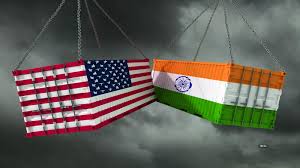
Union Finance Minister Nirmala Sitharaman, on 23rd Feb., said it is premature to assess the impact of recent changes in U.S. tariffs on the Indian economy, following a landmark ruling by the Supreme Court of the United States striking down “reciprocal” tariffs.
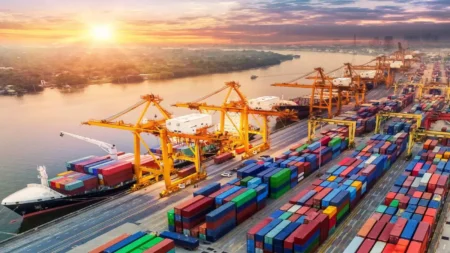
Speaking at a press conference after the customary post-Budget meeting of the Central Board of Directors of the Reserve Bank of India, Sitharaman said the Commerce Ministry is reviewing the evolving situation. “The delegation will have to take a call when they want to go for further negotiations,” she noted, adding that India remains on a “very clear path” towards concluding trade agreements with multiple countries.
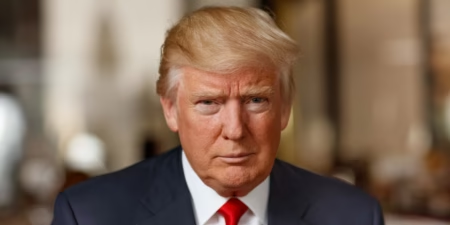
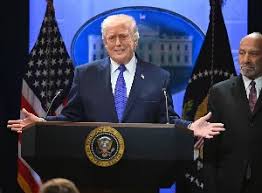
Following the Supreme Court verdict, U.S. President Donald Trump raised tariffs on imports from all countries first to 10% and later to 15%. In response, an Indian delegation led by chief negotiator Darpan Jain, which was scheduled to discuss the legal text of the India–US bilateral trade agreement, postponed its visit to Washington.
Acknowledging persistent global volatility, Sitharaman said external uncertainty is a constant factor and should not derail India’s trade ambitions. “Uncertainties can come and go. Our attempt to have trade agreements with countries will continue,” she said, underscoring India’s objective of expanding access to global markets.
Addressing concerns over record-high gold and silver prices pushing up the import bill, the finance minister said the situation is being closely monitored but has “not reached an alarming proportion.” She attributed the surge largely to purchases by central banks worldwide and highlighted the seasonal nature of precious metal demand in India during festivals and wedding seasons.
RBI Governor Sanjay Malhotra reinforced confidence in India’s external position, stating that foreign exchange reserves are adequate and macroeconomic fundamentals remain strong. “We are not unduly concerned,” he said, noting that the current account deficit is projected to remain around 1% of GDP.
Malhotra added that between April and December 2025, the quantity of gold imported in value terms was broadly similar to the same period in 2024. A sharp rise in both volume and value was seen only in January 2026, which is currently under analysis.
On net foreign direct investment (FDI) inflows turning negative, Sitharaman said the trend does not reflect weaknesses in India’s economy. “They are not economic or commercial reasons,” she said, suggesting strategic and geopolitical factors may be influencing investor decisions.
The RBI Governor clarified that gross FDI inflows rose by 14–15% last year, while net inflows dipped due to higher repatriations, indicating continued underlying investor interest despite global headwinds.
Source: BT