


Industry leaders hail Union Budget 2026–27 as a decisive step for India’s logistics and supply chain ecosystem, highlighting infrastructure expansion, multimodal freight corridors, MSME empowerment, sustainable practices, and initiatives to strengthen manufacturing, connectivity, and global competitiveness
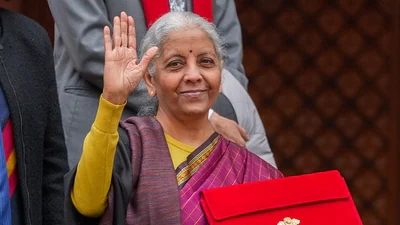
Vipin Vohra, Chairman, Continental Carriers

“From a logistics and supply chain standpoint, the Budget places welcome emphasis on Ease of Doing Business through the move toward single-window clearances for multiple regulatory approvals. The proposed rationalization of compliance processes and greater use of digital platforms will significantly reduce procedural complexity, shorten approval timelines, and improve transparency across trade operations.
The focus on easing customs regulations—through simplified rules, wider acceptance of self-declarations, and expedited risk-based clearances—will be instrumental in reducing dwell times, improving cargo velocity, and enhancing the reliability of India’s import-export gateways. These measures are expected to lower transaction costs and strengthen confidence among global trade partners.”
Dushyant Mulani, Immediate Past Chairman, FFFAI

“The Budget delivers a strong and forward-looking push to the manufacturing, MSME, and logistics sectors, with focused investments in container manufacturing, multimodal connectivity through railways, national waterways, coastal shipping, and technology-driven customs reforms. Enhanced AEO facilitation, AI-based port scanning, and trust-based compliance are expected to significantly reduce logistics costs and improve trade efficiency.
Extending the payment period by 30 days for AEO Tier 2 and Tier 3 accredited entities on deferred customs duty is a notable facilitation measure.
The Budget also places considerable focus on healthcare-related initiatives, including geriatric care and specific exemptions for 17 cancer-related drugs, providing meaningful relief to Indian citizens.
A major announcement was also made regarding dispute resolution in customs. While details are awaited, this is expected to create a stronger, trust-based working environment.
Overall, the Budget reinforces India’s vision to become a globally competitive economy.”
Mr. Gayomard Driver – Group CFO, Jeena & Company

“The Union Budget 2026 provides welcome continuity and clarity on India’s infrastructure and logistics roadmap. Its emphasis on freight corridors, the expansion of national waterways, promotion of coastal cargo, and development of high-speed rail corridors signals a decisive shift toward an integrated, multimodal and more sustainable logistics network.
Simultaneously, infrastructure development in Tier II and Tier III cities, coupled with support for manufacturing and MSMEs, is expected to drive decentralised growth and create new trade and distribution hubs. From a corporate finance perspective, the Budget enhances long-term visibility, encourages capital recycling, and enables logistics companies to align their investment strategies with India’s evolving manufacturing, trade and export ambitions.” Budget Responses
Ketan Kulkarni, Managing Director & Chief Executive Officer, Allcargo Logistics

“Budget 2026 offers a strategic response to a rapidly evolving global trade environment by strengthening India’s logistics and supply chain ecosystem. The focus on multimodal infrastructure, including new freight corridors, inland waterways, cargo movement projects, and last-mile connectivity for remote regions, will be critical in improving efficiency and reducing logistics costs.
The ₹10,000-crore SME Growth Fund, supported by enhanced liquidity through mandatory TReDS adoption, credit-backed invoice discounting, and GeM integration, is expected to empower MSMEs to scale, formalise operations, and participate more actively in export-led growth. Incentives for indigenous seaplanes and waterway-based cargo movement further unlock regional and alternative logistics pathways. Collectively, these measures reinforce India’s ambition to remain deeply integrated with global markets, attract long-term investment, and build resilient, job-creating enterprises aligned with the vision of a Viksit Bharat.” Budget Responses
Ram Iyer, Founder & CEO, Vayana

“This year’s Budget marks a strategic transition toward deep-rooted structural interventions in India’s economic policy. In line with the Economic Survey’s observations, mandating CPSEs to use TReDS for MSME purchases is a pivotal step in unlocking working capital by addressing systemic payment delays. The introduction of CGTMSE-backed credit guarantees and the commoditisation of trade receivables will help create a viable ecosystem for horizontal credit flow across value chains, ensuring liquidity reaches even the smallest nodes of the supply chain.
By prioritising energy security as a pillar of industrial resilience, the Budget signals a shift toward domestic self-reliance and greater technological depth in the power sector. Through the rationalisation of customs duties on lithium-ion cell manufacturing and solar glass inputs, the government is providing a structural catalyst for the battery storage and electric vehicle ecosystems. This is complemented by a push for clean baseload power through duty-free access to nuclear generation components. The proposed ₹20,000 crore outlay for Carbon Capture, Utilisation and Storage (CCUS) technologies across critical sectors reflects a long-term commitment to decoupling economic growth from carbon emissions.
This pragmatic strategy extends to manufacturing, with a clear emphasis on anchoring strategic sectors such as semiconductors, biopharma and rare earth minerals within localised supply chains. By reducing compliance burdens and rationalising input duties, the Budget creates a more predictable and enabling environment for private enterprise to lead the Atmanirbhar Bharat mission, positioning India as a reliable and sovereign node in the global trade architecture.” Budget Responses
Urvish Rambhia, CEO, Horizon Industrial Parks

“At Horizon Industrial Parks, as India’s largest and fastest-growing industrial and logistics infrastructure developer, we believe that improved connectivity, expanding industrial corridors, and higher state-led infrastructure spending will naturally accelerate demand for Grade-A, large-format warehouses and integrated logistics parks across key corridors and emerging Tier II and Tier III markets.
Union Budget 2026–27 continues its emphasis on infrastructure as a key growth engine, while also seeking to enhance domestic manufacturing capabilities and attract international investment to Make in India for the world. Alongside the focus on scaling manufacturing, rejuvenating legacy sectors and clusters, and developing city economic regions, the Budget creates sustained momentum for India’s industrial and logistics ecosystem.
Overall, the Budget provides long-term visibility and confidence for institutional capital to invest at scale, positioning India as a globally competitive manufacturing and logistics hub.” Budget Responses
Anuj Puri, Chairman – ANAROCK Group
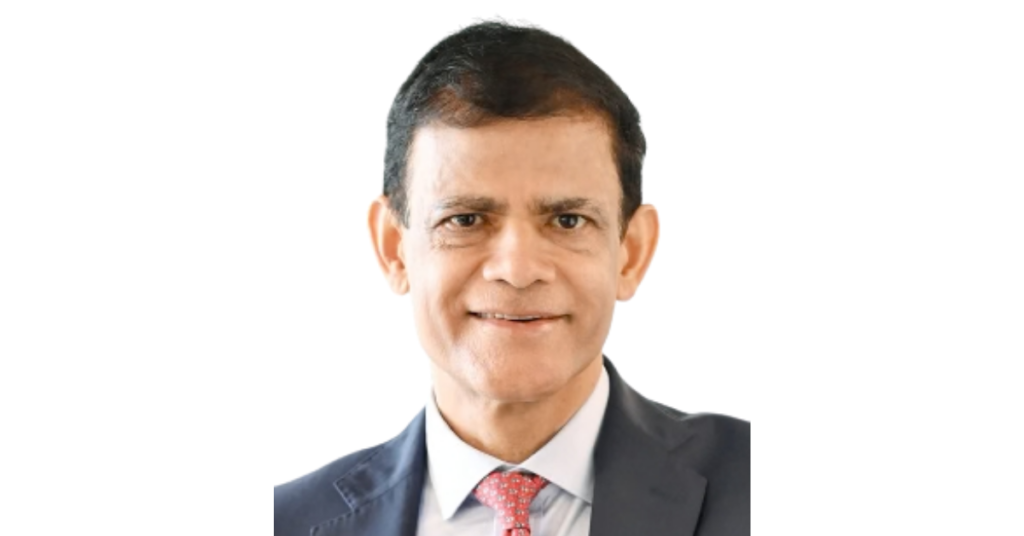
“Union Budget 2026–27 places strong emphasis on infrastructure-led growth with direct and indirect implications for India’s logistics and supply chain ecosystem. The increase in public capital expenditure from ₹11.2 lakh crore in FY 2026 to ₹12.2 lakh crore in FY 2027, particularly with a sharper focus on Tier II and Tier III cities, is expected to strengthen regional logistics networks, improve distribution efficiency and unlock new cargo and warehousing hubs.
The announcement of a new Dedicated Freight Corridor, along with seven high-speed rail corridors and sustainable corridors, is a significant positive for freight movement, promising faster transit times, improved cargo reliability and lower logistics costs across key economic regions. These investments will enhance multimodal connectivity and support more efficient movement of goods across domestic and export supply chains.
The introduction of REIT-led monetisation of Central Public Sector Enterprise (CPSE) assets—including railway land, port assets and power transmission infrastructure—has important logistics implications. By attracting institutional capital without diluting ownership, this initiative can accelerate the modernisation and expansion of logistics-linked infrastructure while improving asset utilisation and long-term efficiency.
The ₹20,000 crore outlay over five years for Carbon Capture, Utilisation and Storage (CCUS) across power, steel, cement, refineries and chemicals supports the transition toward greener supply chains. Lower-carbon construction materials will enable the development of sustainable logistics parks and infrastructure, helping logistics players meet rising ESG expectations while reducing long-term compliance costs.
Overall, the Budget remains capex-driven and structurally supportive of logistics and supply chain development. Its focus on freight corridors, rail-led cargo movement, asset monetisation and sustainability strengthens India’s logistics backbone, improves cost competitiveness and reinforces the country’s position as a more efficient and resilient node in global supply chains.” Budget Responses
Ms. Smitha Shetty, Regional Director, APAC, Achilles Information Limited

“Union Budget 2026 reinforces India’s commitment to building long-term industrial competitiveness through deeper manufacturing capabilities and more resilient supply chains. Initiatives such as Semiconductors Mission 2.0, dedicated rare earth corridors, and support for domestic chemical clusters demonstrate a clear focus on reducing import dependency in strategic sectors that are shaping global production systems.
The Budget also strengthens MSME growth through impactful measures, including the ₹10,000 crore SME Growth Fund, additional micro-enterprise risk capital, and reforms that enhance working capital efficiency via receivables financing and procurement-linked mechanisms. Notably, the ‘corporate mitras’ initiative is designed to strengthen compliance readiness without overburdening smaller suppliers, particularly in Tier II and Tier III cities. In the context of an uncertain global trade environment, this is a balanced and forward-looking Budget.” Budget Responses
Amar More, Co-Founder & CEO, Kale Logistics Solutions

“Renewed emphasis on the service sector as a core driver of VIKSIT Bharat is a welcome measure. Skill development in AI and emerging technologies to boost service exports will help India emerge as the next technology hub, and the first from the Global South. However, this remains a long-term objective, and potential investments in this area may need to await the next Budget.
Overall, the focus on dedicated freight corridors, especially connecting the east and west is a positive step, and indigenous manufacturing continues to align with the long-term agenda. With Microsoft set to establish its AI hub in India, a more focused approach in this Budget could have accelerated technology development further. That said, allowing global companies to enter India with a tax holiday until 2047 to set up data centre cloud services through local reseller partnerships is likely to trigger a significant influx of major tech MNCs into the country.” Budget Responses
Vineet Malhotra, Co-Founder & Director, Kale Logistics Solutions

“Incentivising a modal shift from road to rail is a masterstroke of the Budget, as strong incentives are needed to encourage this transition. The allocation of ₹10,000 crore for container manufacturing in the country is also significant. India has been emerging as a container manufacturing hub, with major facilities in Maharashtra, Gujarat, Uttar Pradesh, and Andhra Pradesh.
The development of waterways in rare earth mineral–rich regions of Odisha, connecting them to nearby port cities, is a major step toward lowering logistics costs. While the announcement of a new dedicated freight corridor connecting the east and west is notable, it is important to acknowledge that the Delhi–Mumbai freight corridor is still not fully operational, and the timeline for this new initiative to materialise remains uncertain. We believe stakeholders will pursue this seriously and coordinate their efforts to ensure its successful implementation.” Budget Responses
Taranbir Singh, Founder and Chief Executive Officer of Bharat Supply

“The Union Budget 2026–27 seeks to strengthen infrastructure critical for rural and beyond-metro logistics through new Dedicated Freight Corridors, expansion of inland waterways and coastal cargo, domestic container manufacturing, and targeted investment in Tier II and Tier III by establishing a new model – City Economic Regions. For platforms like Bharat Supply, serving over 2 lakh villages, CER-led infrastructure can enable modern fulfilment centres, aggregation hubs and multimodal connectivity closer to production clusters, reducing distance, time and cost for rural supply chains, and improving access from hinterlands to national markets.”
Mr. Ramkumar Senthilvel, Promoter & Managing Director, Glottis Logistics

“India’s Union Budget 2026–27 may not announce headline incentives, but it meaningfully strengthens the backbone of trade by reinforcing logistics infrastructure. With public capex raised to ₹12.2 lakh crore, the focus on freight connectivity, multimodal transport, waterways and Tier-II and Tier-III logistics capacity will improve transit predictability, regional reach and long-term cost efficiency for EXIM trade.
While sharper reforms in port clearances, customs simplification, digital logistics and cold-chain infrastructure are still awaited, the Budget lays a strong foundation for a more resilient logistics ecosystem. The real opportunity now lies in execution and collaboration across the trade value chain.”