


India’s logistics costs fall to 7.97% of GDP as Gati Shakti cargo terminals drive efficiency and sustainable rail growth.
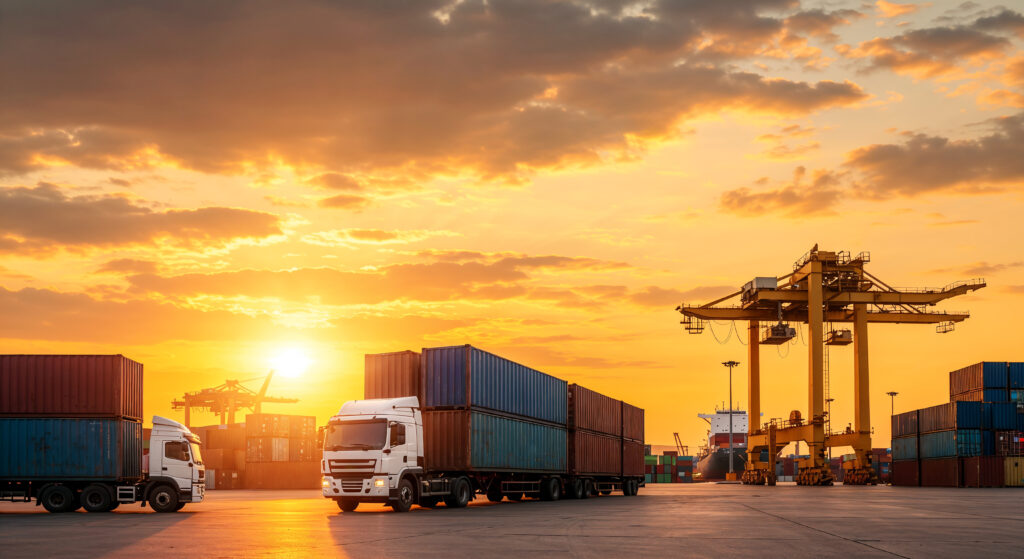
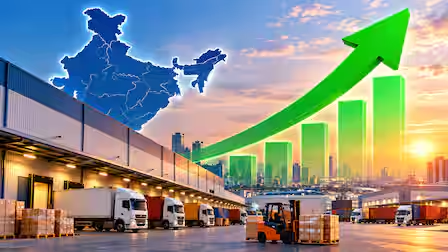
India’s logistics sector has reached a landmark achievement, with national logistics expenditure now accounting for just 7.97 percent of the Gross Domestic Product. This transition towards global efficiency standards is largely attributed to the success of the PM Gati Shakti National Master Plan, which integrates rail, road, and port infrastructure into a single, cohesive framework. Central to this transformation is the rapid deployment of Gati Shakti Multi-Modal Cargo Terminals, which have modernised freight handling across the country.
On 15 December 2021, the Ministry of Railways introduced a dedicated terminal policy to accelerate the construction of modern freight hubs. To date, 306 terminals have been approved, with 118 already fully operational. These commissioned hubs possess a combined annual capacity of 192 million tonnes, facilitating a seamless transition of goods between different modes of transport.
The policy has successfully incentivised non-government investment, mobilising approximately ₹8,600 crore. These terminals utilise ‘engine-on-load’ operations, a system where locomotives remain with the wagons during loading to ensure immediate departure and minimal turnaround times. Furthermore, the government has provided various exemptions, such as waiving departmental charges and land licence fees, to encourage the expansion of the freight network.
The shift from road-based transport to the railway network has yielded significant environmental benefits. Since 2014, roughly 2,672 million tonnes of freight have been moved via rail instead of trucks, resulting in a reduction of 143.3 million tonnes of carbon dioxide emissions. Because rail transport is estimated to be roughly 90 percent cleaner and 50 percent more cost-effective than road haulage, this transition is vital for the nation’s sustainability targets.
The economic performance of these terminals has been equally robust. Between the 2022–23 and 2024–25 financial periods, freight revenue generated by these hubs increased fourfold, reaching a total of ₹12,608 crore. This surge underscores the growing reliance of the industrial sector on integrated rail logistics.
Moving forward, the focus remains on deepening digital integration through the Gati Shakti platform. By using real-time tracking and predictive analytics, the government aims to solidify the nation’s position as a global trade hub while maintaining single-digit logistics costs. This coordinated approach ensures that the infrastructure remains competitive, sustainable, and capable of supporting large-scale manufacturing initiatives.
SOURCE – PIB