



Telangana launched its first road policy, the foundation for a 20-year connectivity plan integrating road, rail, air, and metro expansion.
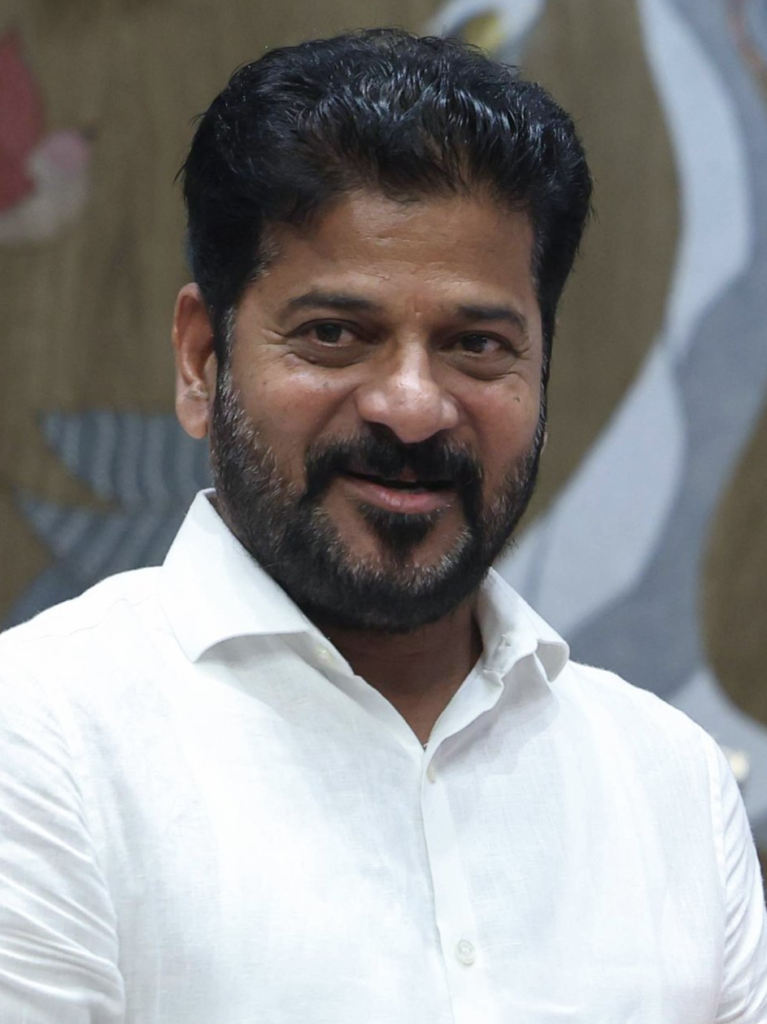
Chief Minister A. Revanth Reddy launched Telangana’s inaugural dedicated Road Sector Policy on December 9, 2025, at the Telangana Rising Global Summit. This landmark policy establishes an ambitious framework to bolster connectivity across the state, linking villages to mandal headquarters, mandals to district centres, and subsequently connecting these regions to the Hyderabad core urban area. The Roads and Buildings Minister, Komatireddy Venkat Reddy, confirmed that this policy serves as the bedrock for the Rising Telangana Road Development Programme, which will direct infrastructural expansion over the next two decades.
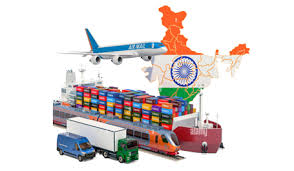
The comprehensive roadmap, unveiled during the panel discussion on ‘Connected Telangana – Integrated Transport and Urban–Rural Connectivity’ at Bharat Future City, prioritises a cohesive transport strategy. Key initiatives include establishing a robust road asset management system and accelerating crucial multi-modal projects. These cover high-speed and bullet trains (in coordination with the central government), bus rapid transit systems, exclusive bus corridors, Metro Rail expansion, and the upgrading of the MMTS network. The minister noted that the state is pursuing holistic development across roads, railways, aviation, digital infrastructure, healthcare, and logistics, ensuring prosperity is not confined to a single area.
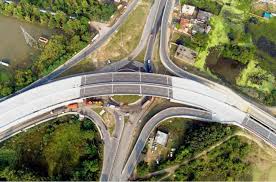
To overcome the inherent limitations of being a landlocked state, the government plans to develop a state-of-the-art dry port, thereby enhancing its status as a major economic centre. Strategic projects, such as the Regional Ring Road and a complementary network of radial roads, are deemed vital for balanced development around Hyderabad, supporting industrial corridors, agricultural markets, and logistics chains. Telangana is also one of the few states employing the Hybrid Annuity Model (HAM) for large-scale, high-quality road construction, ensuring financial stability alongside construction excellence. Future projects highlighted include an eight-lane greenfield expressway between the capitals of the two Telugu states and an elevated corridor to Srisailam.
In the railway sector, expansion is considered essential for achieving the state’s goal of becoming a $3 trillion economy, with plans for dedicated industrial rail corridors and international standard station upgrades. Telangana also intends to become a major national hub for air travel, logistics, and tourism. M Phani Raju, Managing Director of LEA Associates (South India), offered expert insight, emphasising that multi-modal transport systems are necessary to cope with the anticipated doubling of the vehicle population within fifteen years. He suggested that Hyderabad alone requires an additional 300 kilometres of metro rail, supported by expanded MMTS and Bus Rapid Transit systems, to effectively manage future mobility requirements.
SOURCE – ET INFRA