

New Bengal infra will bypass urban gridlock, using river-rail links to slash costs for cargo bound for the North-East.
On 18 January 2026, Prime Minister Narendra Modi introduced a series of infrastructure developments in West Bengal valued at over ₹830 crore, specifically designed to overhaul the region’s logistics framework. The initiative focuses on integrating riverine and rail networks to create a seamless multimodal system that positions the state as a primary gateway for freight moving toward North-East India.
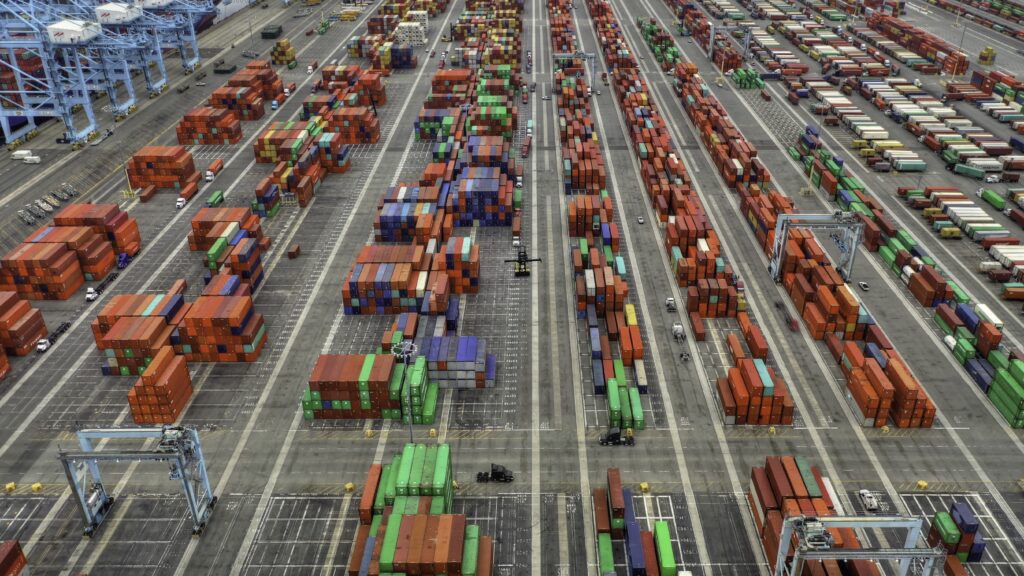
A central component of this plan is the Extended Port Gate System at Balagarh, situated roughly 45 nautical miles from Kolkata. Managed by the Syama Prasad Mookerjee Port Authority, this facility acts as a strategic relief valve for the heavily congested Kolkata Dock System. By shifting containerised and coal cargo amounting to an annual capacity of 2.7 million tonnes onto the Ganga–Bhagirathi–Hooghly waterway (National Waterway-1), the project effectively moves heavy freight off clogged urban roads and onto more efficient water routes.
The logistics upgrade is supported by a comprehensive ₹552 crore investment in the maritime sector, featuring:
- Barge Terminals: Two new berths at Balagarh designed for high-volume coal and container handling.
- Integrated Links: New road overbridges and rail infrastructure ensure that river-borne cargo can transition swiftly to land-based transport.
- Year-Round Access: Advanced dredging operations have been implemented to maintain water levels, ensuring uninterrupted navigation for heavy vessels throughout the year.
Complementing the water-based initiatives, the Prime Minister launched rail projects worth ₹280 crore to strengthen the broader transport grid. The inclusion of new Amrit Bharat Express services further reinforces the connectivity between West Bengal and major economic hubs like Banaras and Delhi. Additionally, the introduction of a hybrid electric catamaran signals a transition towards sustainable, energy-efficient transit within the multimodal framework.
Union Minister Sarbananda Sonowal noted that these developments are essential for lowering overall logistics costs and transforming Eastern India into a high-capacity hub for manufacturing and trade. By synchronising rail, road, and river, the government aims to establish a faster, more economical supply chain for the entire region.
SOURCE – PIB