




Analysts warn oil could reach 150 dollars a barrel by end of March if traffic through the Strait of Hormuz does not resume.
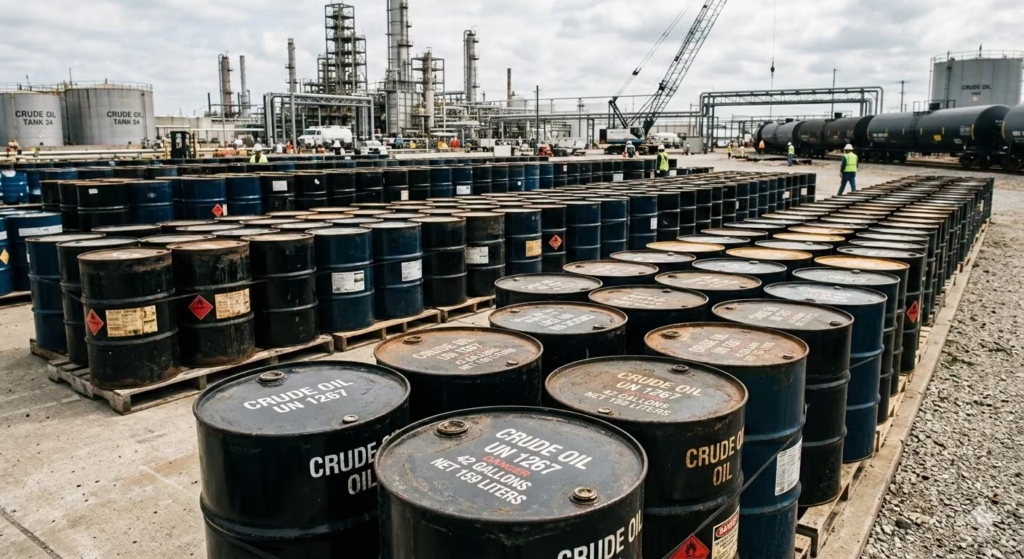
Global oil prices have crossed the psychologically critical 100 dollar per barrel mark for the first time since Russia’s invasion of Ukraine in 2022, as the ongoing conflict in the Middle East continues to throttle energy production and shipping across the region.
Brent crude rose sharply, at one point topping 119 dollars a barrel, as fears grew of prolonged disruption to global energy supplies. The conflict has already led to the suspension of about a fifth of global crude and natural gas supply, as attacks on energy infrastructure and near-complete shutdown of tanker traffic through the Strait of Hormuz have choked off supplies to the rest of the world. Saudi Arabia, the UAE, Iraq and Kuwait have had to suspend shipments of as much as 140 million barrels as a result.
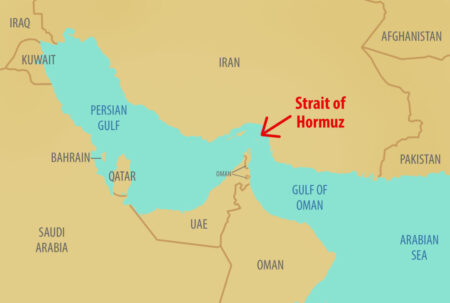
Iran has threatened to attack any oil tanker passing through the Strait of Hormuz, through which approximately 20 per cent of the world’s oil transits. G7 finance ministers are in discussions over a coordinated release of petroleum reserves in response to the price surge, which has rattled global stock markets.
For India’s logistics and trade community, the implications are severe. Higher oil prices directly feed into fuel surcharges across air and ocean freight, pushing up costs for exporters and importers at a time when Middle East trade lanes are already severely disrupted. India, which imports over 85 per cent of its crude oil requirements, faces compounding pressure on freight costs, inflation and trade competitiveness in the weeks ahead.