





Analysts predict the rupee could extend its losses, even as the Reserve Bank of India attempts to defend the key 90-per-dollar mark
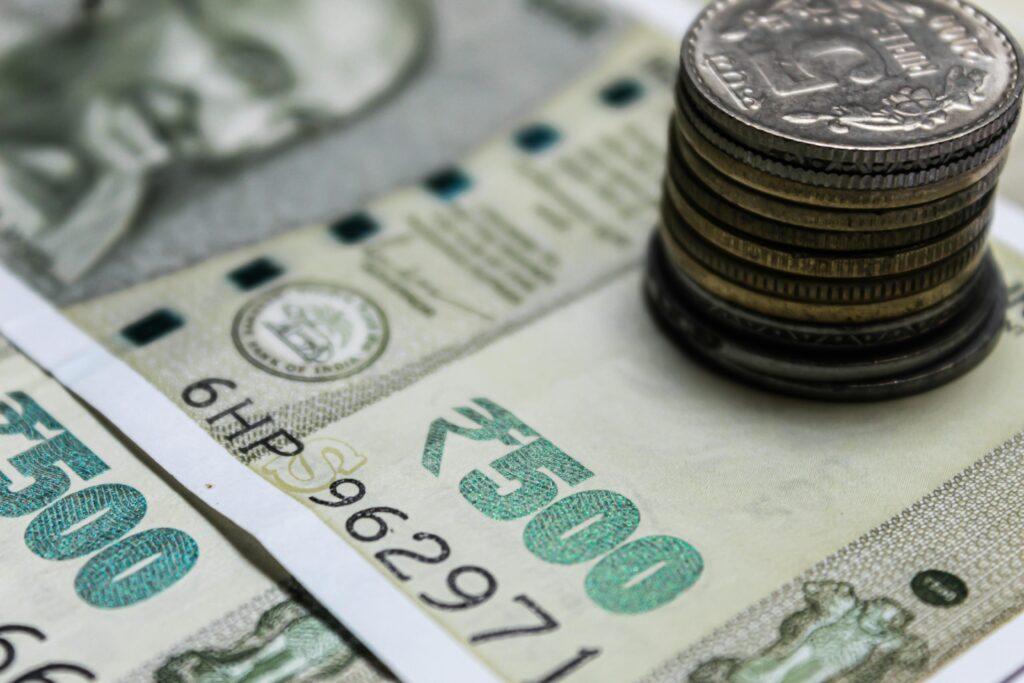
The Indian rupee registered a record low on December 2, 2025, a fall primarily attributed to the lack of a definitive trade agreement between India and the US, which has consequently stifled commercial exchange and portfolio investment inflows.
The currency touched a low of $89.94against the US dollar before closing the trading day at $89.8. This represented a drop of approximately 0.4 percent and marked its fifth consecutive day of depreciation. Crucially, the rupee briefly dipped below the $90 mark against the dollar in the interbank order matching system just after the domestic spot market closed, although it subsequently pared some losses.
Despite robust economic expansion in India during the quarter ending September, the South Asian currency remains under severe pressure, underscoring the stress on the nation’s external financial sector.
Market analysts anticipate further weakening for the rupee but suggest that the Reserve Bank of India’s (RBI) market interventions, such as those witnessed on Tuesday, should assist in managing volatility.
Anil Bhansali, head of treasury at Finrex Treasury Advisors, commented on the market strategy: “We have been advising exporters to simply sell (USD) on a cash/spot basis and maintain minimal hedging, given the current trajectory of the (INR) weakness.” Conversely, he noted, “Importers have been advised to buy all dips (on USD/INR).” This disparate market behaviour, where importers scramble to acquire dollars and exporters are reluctant to sell, has intensified the downward pressure on the rupee.
Market data supports this trend: in November, importers booked forward hedges amounting to nearly $31 billion, an 11 percent increase over the 2020-24 average, while exporter activity saw a 5 percent decline to about $21 billion compared to the same period.
Furthermore, dollar-rupee forward premiums sharply increased on December 2, 2025, reflecting the heightened cost of protecting against further rupee depreciation as the currency approaches the significant $90-per-dollar level. The 1-month forward premium climbed to over $19$ paisa, its highest point since May, while the 1-year implied yield rose 7 basis points to 2.33 percent.
Globally, foreign exchange markets were generally subdued. Asian currencies and the dollar index largely traded sideways as investors held firm on predictions that the US Federal Reserve would implement a rate cut this month.
SOURCE – REUTERS