



India-UK trade pact to launch by June 2026, offering duty-free access for 99% of Indian goods and boosting MSME exports.
The British Deputy High Commissioner, Andrew Fleming, has announced that the Comprehensive Economic and Trade Agreement (CETA) between India and the United Kingdom is anticipated to take effect during the first six months of 2026. This landmark pact is expected to initiate a transformative period for bilateral relations.
Speaking in Kolkata on 02 January 2026, Fleming characterised the agreement as the most extensive and forward-thinking deal ever arranged by either administration. Comprising roughly 20,000 pages, the treaty is structured to provide commercial advantages to enterprises of every scale, with a particular focus on exporters situated in West Bengal and the twelve states across Eastern and North Eastern India.
Following the formal signing of the CETA on 24 July 2025, the agreement stands as India’s most significant trade treaty to date. It encompasses 26 distinct sectors, ranging from technological cooperation to tariff adjustments. The primary objective of the mission is to double the total value of bilateral trade from the current 56 billion dollars to 112 billion dollars.
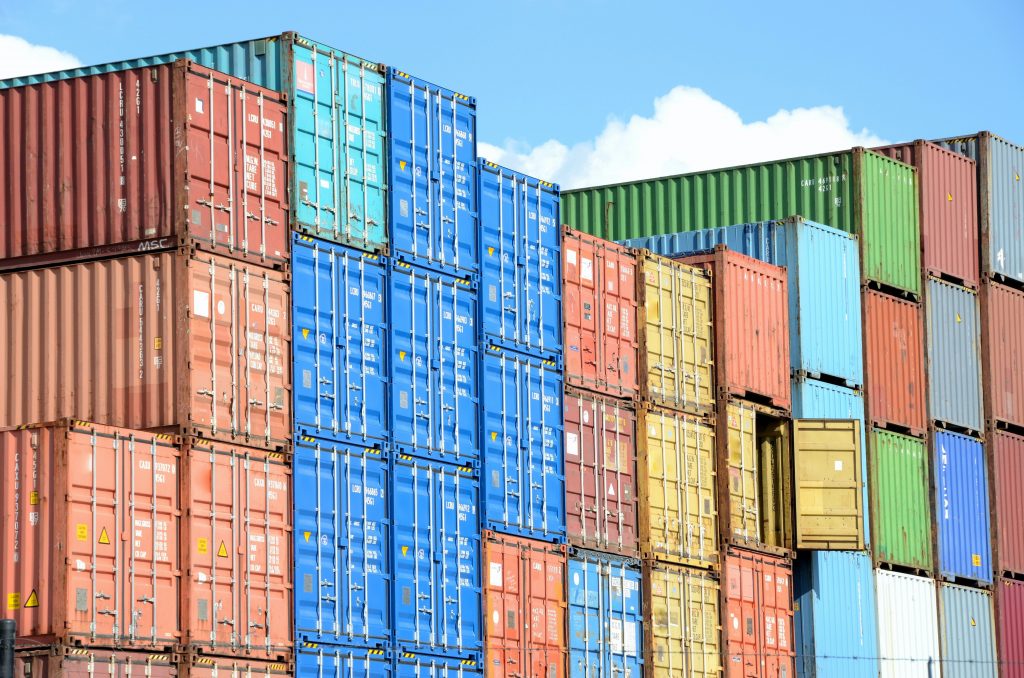
Under the terms of the agreement, Indian businesses will receive duty-free entry into the British market for 99 per cent of their products. This will provide a substantial boost to labour-intensive industries, including:
- Textiles and leather goods
- Marine products
- Jewellery and gemstones
- Engineering equipment and automotive parts
Conversely, the deal will benefit British exports, such as whisky, through the rationalisation of existing tariffs.
Beyond physical commodities, the framework addresses the service sector, which is a vital component of the Indian economy. In 2023, India provided over 19.8 billion dollars in services to the United Kingdom. The new agreement is set to facilitate greater mobility for professionals, particularly within the information technology sector.
A pioneering aspect of this treaty is the inclusion of a specific chapter dedicated to gender and women’s economic participation. This is of particular relevance to West Bengal, a region that possesses the highest proportion of female-led enterprises in India, at 23 per cent. This focus is intended to generate significant employment and provide new opportunities for artisans and smaller businesses.
The agreement is a key component of the ‘Vision 2035’ strategy, which aims to deepen cooperation in fields such as telecommunications, finance, and education. Union Minister for Commerce and Industry, Piyush Goyal, previously remarked on 02 January 2026 that this free trade deal would act as a driver for inclusive economic progress, supporting everyone from farmers to innovators while securing the national interests of India.
SOURCE – THE HINDUSTAN TIMES