


The government plans to corporatise 11 major ports, starting with Chennai and JNPA, as trade union influence declines.
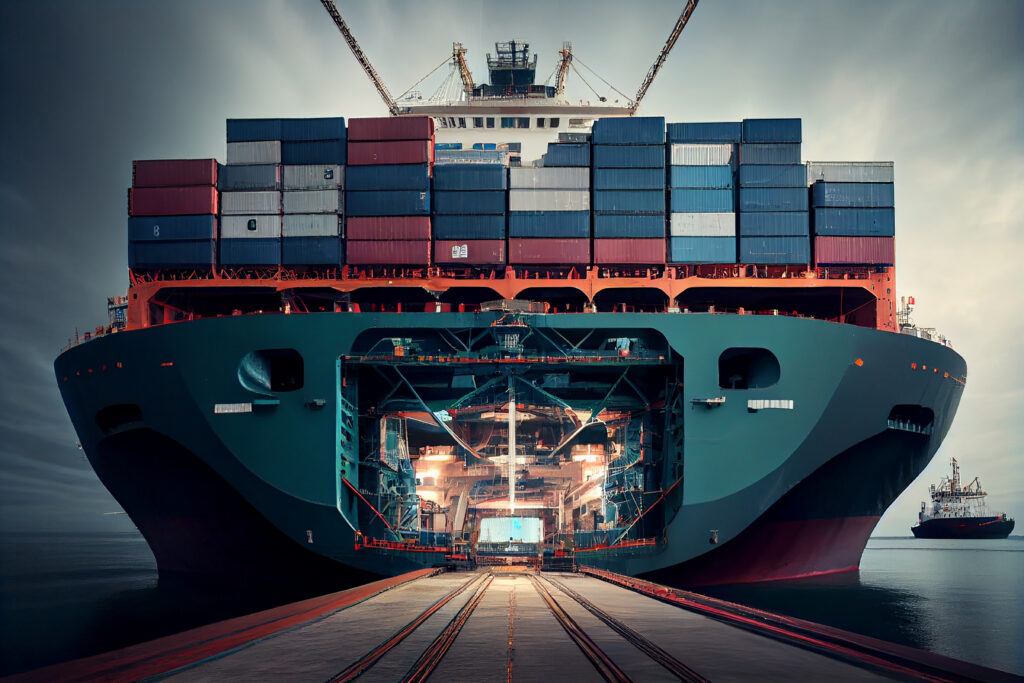
The central government has initiated fresh discussions to transition 11 major state-owned ports from their current status as authorities into corporate entities. This strategic shift represents a significant reform in the maritime sector and comes approximately five years after these ports were restructured under the Major Port Authorities Act 2021.
The ultimate goal of corporatisation is now being revisited, with Chennai and Jawaharlal Nehru ports identified as the likely pioneers for this transition. The move would require further amendments to existing maritime legislation.
The proposal to corporatise was originally considered during previous structural overhauls to help state ports compete more effectively against commercially run rivals. At that time, intense pressure from labour groups led the government to adopt the “authority” model as a middle ground. Industry observers suggest that the current attempt is motivated by the diminishing influence of traditional trade unions, providing a clearer path for market-oriented reforms.
Kamarajar Port currently serves as the only state-owned port operating under a corporate structure. In 2020, the government transferred its majority stake in the facility to the Chennai Port Authority. Recent reports indicate that plans are being finalised to launch an initial public offering for Kamarajar Port. Experts believe that transforming the Chennai Port Authority into a company would simplify a future merger between the two, creating a massive entity capable of handling over 100 million tonnes of cargo annually and significantly increasing its market valuation.
The Ministry of Ports, Shipping, and Waterways has conducted preliminary reviews focusing on the financial health, capital expenditure requirements, and debt obligations of the major ports. Successful corporatisation would allow these entities to professionalise governance further and access capital markets more easily.
Other significant hubs, such as Paradip and Deendayal, which already manage upwards of 150 million tonnes of cargo, are viewed as highly attractive prospects for potential investors. During the 2024-25 financial period, the 12 major ports collectively managed 853.57 million tonnes of freight.
As the government evaluates the timeline for this transition, the focus remains on enhancing the global competitiveness of the national maritime infrastructure. This policy shift aligns with the broader objective of professionalising state assets to match the efficiency and scale of major commercial port operators currently listed on the stock exchange.
SOURCE – ET INFRA