



The UAE brings in approximately 90 per cent of its grains and perishables through Jebel Ali, a hub that collectively serves 45 to 50 million people across the Gulf.
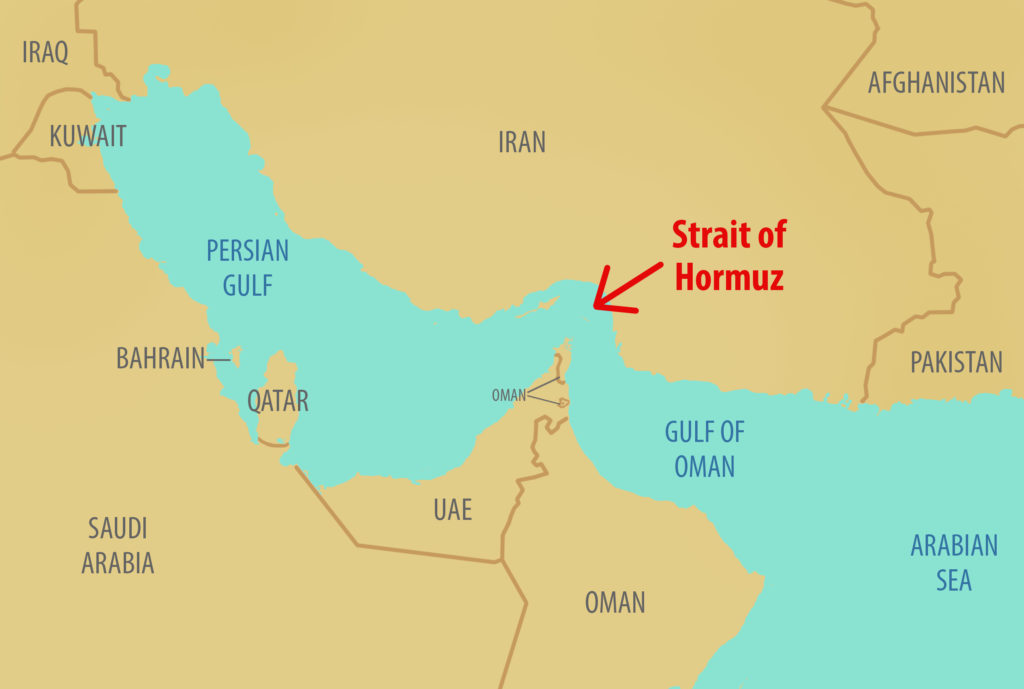
Disruption around the Strait of Hormuz is threatening food supply chains across the Gulf region, raising serious shortage risks for the UAE, Saudi Arabia and Iran, according to analysis from commodities data firm Kpler cited by the Financial Times on 6th March 2026.
Of approximately 30 million tonnes of grain imported into the Gulf last year, around 14 million tonnes went to Iran, with most flows moving through Hormuz. Saudi Arabia imports around 40 per cent of its grains and oilseeds through eastern Gulf ports, while the UAE brings in approximately 90 per cent of those commodities through Jebel Ali in Dubai, which also handles containerised food and perishables for Bahrain and Qatar.
Kpler analyst Ishan Bhanu warned that Iran would face a major food issue if the disruption continues, noting that practically all of the country’s corn imports, along with large volumes of soybean and wheat, move through the strait. FAO trade experts flagged that sugar and tea could also become scarce if the conflict persists.
Dr Christian Henderson of Leiden University warned of an immediate risk of food insecurity within the region, noting that Gulf states are extremely dependent on imported food, and cautioned that Yemen, Sudan and Somalia, which rely on the UAE as a transshipment point, could also face shortages and rising prices.
For India’s logistics sector, the implications are significant. The Gulf remains one of India’s most critical trade corridors, and any prolonged disruption to Jebel Ali’s role as a transshipment hub would directly affect Indian exporters of food commodities, pharmaceuticals and consumer goods, while also impacting the large Indian diaspora community across the region.