


Despite a new India-EU trade pact, CBAM and quotas will keep steel exports under pressure, says the Steel Secretary.
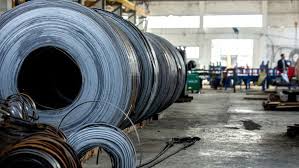
The Indian government has indicated it will intervene to support the domestic steel sector as exports to the European Union remain under strain from the bloc’s carbon border tax and import restrictions, even after the recent India-EU trade agreement.
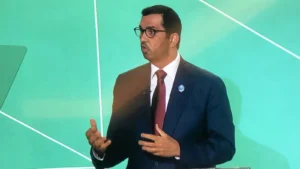
Speaking at an official event in New Delhi, Steel Secretary Sandeep Poundrik said India’s steel exports would continue to face headwinds due to the EU’s Carbon Border Adjustment Mechanism (CBAM), along with tariffs, quotas, and related trade barriers. He noted that these challenges would require policy action from the government to protect exporters.
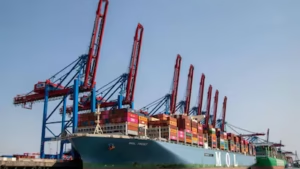
The comments follow the India–European Union trade deal signed last week, which lowered tariffs in multiple sectors but excluded CBAM, leaving Europe’s climate-linked import levy firmly in place. The mechanism has significant implications for India, as nearly two-thirds of the country’s steel exports are destined for European markets.
Introduced by the EU in 2021, CBAM is the world’s first carbon border tax and has been a point of contention for India, which has consistently warned that the measure could disrupt fair trade. From January this year, the EU began enforcing its regulatory framework, leading to additional charges on steel, cement, and other carbon-intensive imports.
With compliance costs rising, Indian steel shipments to Europe are expected to decline, pushing producers to diversify exports towards Africa and the Middle East, according to industry estimates cited by Reuters.
The government’s assurance of support underscores growing concern over the impact of climate-linked trade policies on India’s export-orientated industries, even as trade negotiations with key global partners continue.
Source: The Hindu