


A fragile US-Iran ceasefire is under severe strain as Israeli air strikes across Lebanon leave over 182 dead, prompting Tehran to close the Strait of Hormuz- a waterway critical to global oil supply. With both sides at odds over the truce’s scope and global energy markets on edge, the region stands at a pivotal and precarious crossroads.

A fragile two-week truce between the United States and Iran faces its gravest test yet as Israeli strikes in Lebanon trigger retaliatory moves in one of the world’s most critical waterways.
A ceasefire that had barely found its footing is now in serious jeopardy. Israeli military strikes on Lebanon, which resulted in the deaths of at least 182 people, have sharply escalated tensions in a region already walking a diplomatic tightrope.
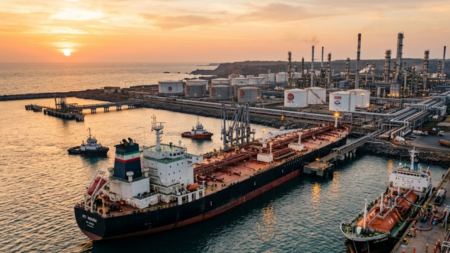
At the heart of the crisis lies the Strait of Hormuz, a key maritime oil chokepoint. Iran initially agreed to keep the strait open under the terms of the truce. However, following the Israeli offensive in Lebanon, Tehran swiftly reversed course, closing the waterway and citing the discovery of sea mines as a security hazard in its primary shipping lane, furthermore, designating alternative routes.
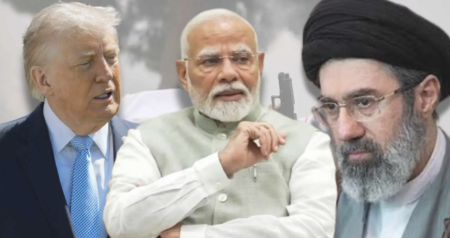
The disagreement over the ceasefire’s scope has created a dangerous ambiguity. While mediator Pakistan and other parties maintain that hostilities in Lebanon were to be paused under the agreement, Israeli Prime Minister Benjamin Netanyahu has stated clearly that the deal does not cover operations against Hezbollah.
A major wave of air strikes struck multiple regions across Lebanon on Wednesday, targeting over 100 military positions and command sites within a span of ten minutes. The southern suburbs of Beirut, southern Lebanon, and the Bekaa Valley were among the areas affected. Lebanon’s health ministry confirmed at least 182 fatalities and 890 injured, with the toll expected to rise.