




As Union Budget 2026 nears, the industry shares its key expectations to strengthen India’s trade and supply chain ecosystem.

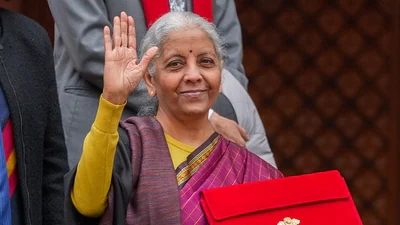
As Finance Minister Nirmala Sitharaman prepares to table the Union Budget on 1 February 2026, the focus is firmly on sustaining India’s position as the world’s fastest-growing major economy. Amidst global volatility and the impact of trade tariffs, the Treasury is expected to balance fiscal consolidation, targeting a deficit of 4.2% of GDP, with an ambitious infrastructure outlay projected to exceed ₹12 trillion.
Key expectations include a potential increase in the standard deduction to ₹1 lakh and further rationalisation of the new tax regime to stimulate middle-class consumption. Investors are also watching for stability in capital gains and a simplified Unified TDS Framework to enhance the ease of doing business.
PHDCCI’s pre-budget 2026–27 recommendations:

Capex-Led Growth, Tax Rationalisation, and Trade Competitiveness
Public capital expenditure remains the most powerful tool to sustain India’s growth momentum. PHDCCI’s pre-Budget proposals prioritise infrastructure, highlighting investments in roads, railways, ports, urban transport, water systems, and power distribution. Aligned with initiatives like PM Gati Shakti and urban resilience programmes, these measures can lower logistics costs, boost efficiency, and catalyse private sector participation, propelling India toward a 10% growth trajectory. Evidence from past capex cycles shows that upfront infrastructure spending not only creates large-scale employment but also attracts private investment by reducing risk and transaction costs, strengthening productivity and medium-term growth.
Manufacturing & MSMEs: Rebuilding India’s Investment Engine
Policy stability and predictable incentives are key to scaling manufacturing and MSMEs. Capital support, tax rationalisation, and production-linked incentives can help overcome high input costs, long gestation periods, and global competition. Rationalising customs duties on critical raw materials, extending concessional taxes for new units, and strengthening credit guarantees and industrial infrastructure will enable MSMEs to integrate into global value chains, creating jobs, boosting exports, and reinforcing supply chain resilience.
Agriculture & Rural Infrastructure: Productivity First
Sustainable rural growth depends on efficiency-enhancing investments rather than short-term measures. Focus on irrigation, water management, cold chains, storage, and agro-processing infrastructure can raise farm productivity, reduce post-harvest losses, and improve rural incomes, while creating non-farm employment. Strengthening supply chain linkages between farmers, processors, and markets will enhance price realisation and export potential, supporting long-term rural income diversification.
Health & Education: Investing in Human Capital
Capital expenditure in health and education—including hospitals, skilling centres, and higher education infrastructure—is vital to leverage India’s demographic advantage. Such investments generate immediate employment and long-term productivity gains, while addressing skill gaps through vocational and technical training, thereby rebalancing social sector spending toward quality, capacity, and access.
Digital Infrastructure & Skilling: The Next Growth Driver
Digital infrastructure and skilling are foundational for modern economic activity. Investments in broadband, data centres, digital public infrastructure, and workforce training will support services-led growth, enhance MSME productivity, and boost export competitiveness. Strengthening last-mile connectivity and aligning youth skilling with digital services will accelerate technology-driven growth at relatively low capital cost.
Clean Energy & Green Infrastructure: Transition and Security
Budget 2026–27 should prioritise clean energy, grid modernisation, renewable integration, EV charging infrastructure, and clean-tech manufacturing. Duty rationalisation on critical minerals and clean-tech inputs can enhance domestic manufacturing capacity and attract private investment, supporting India’s transition to a sustainable, low-carbon economy.
Affordable Housing & Urban Renewal: Jobs Where Growth Is
Housing and urban renewal are among the most labour-intensive sectors. Sustained support for affordable housing, slum redevelopment, and urban infrastructure will generate construction employment, stimulate demand for steel, cement, and local manufacturing, and improve living standards. Rationalising tax and valuation norms can revive stalled projects, ensuring that urbanisation aligns with employment generation and sustainability objectives.
Vipin Vohra, Chairman, Continental Carriers

“As a logistics and air cargo service provider, our top expectations from the Union Budget 2026–27 include accelerated investment in multimodal logistics infrastructure, exemption of GST on export cargo for both air and ocean freight, and incentives for adopting digital and green logistics solutions.
We also advocate promoting off-airport cargo handling facilities and air freight stations to de congest airport terminals and encourage a more competitive, efficient cargo handling ecosystem.
Regulatory harmonization between Customs, BCAS, and DGCA will further enhance ease of doing business and support India’s emergence as a global logistics hub.”
Anuj Puri, Chairman – ANAROCK Group
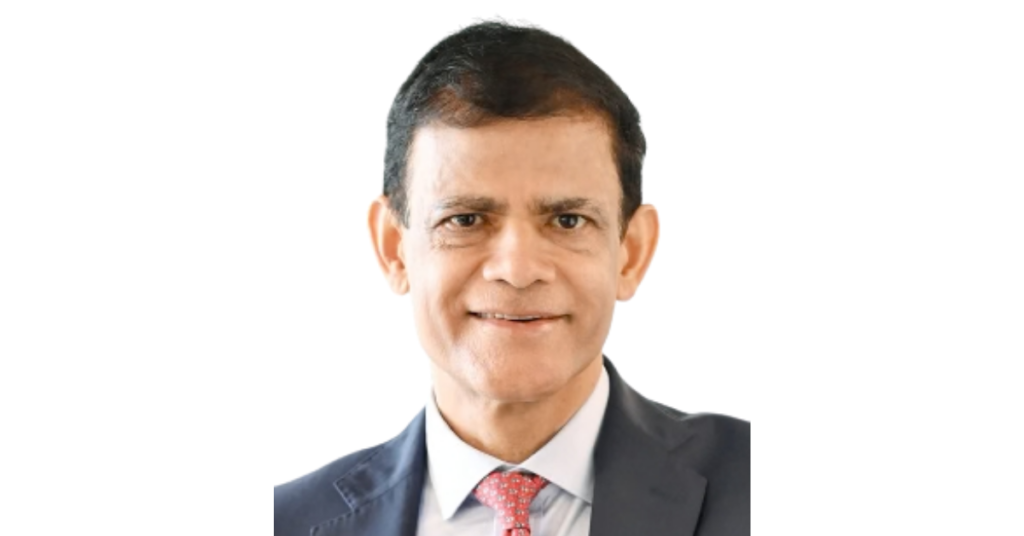
“Budget 2026 must sharply accelerate last-mile urban infrastructure. The National Infrastructure Pipeline and PM Gati Shakti initiatives’ recent announcements are positive, but the pace of implementation is still not fast enough. Metro expansions, suburban rail networks, ring roads that connect outlying areas, and integrated logistics corridors should be given priority for immediate funding.
Infrastructure is about more than easier commutes, it opens up new areas for development, provides the basis for new workplace ecosystems, boosts land values, and results in sustainable demand. Improved connectivity attracts development, revs up project launches, and supports inclusive market growth.”
Dr. Ashvini Jakhar, Founder & CEO, Prozo

“As we approach the Union Budget, the biggest policy lever remains execution-led infrastructure that improves predictability, not fragmented capacity creation. We expect the Budget to maintain capex continuity and accelerate multimodal speed, including rail-led freight movement, as sustained execution improves corridor reliability and reduces logistics variability.
This push must be paired with decentralised warehousing closer to demand, as e-commerce and hyperlocal delivery reshape fulfilment patterns. On-ground efficiency will also depend on resolving urban logistics friction, compliance complexity, and consistent implementation of labour codes across states. Warehousing needs simpler and digitised approvals, while clarity on working-hour frameworks and stability in gig workforce implementation will be important for sustaining last-mile reliability and service levels.”
Amit Maheshwari, Founder and CEO, Softlink Global

“As we look toward the Union Budget 2026-27, the focus must shift from building infrastructure to orchestrating intelligence. Targeted fiscal incentives such as subsidized compute and R&D tax credits for indigenous Agentic AI and RAG systems are essential to automate complex compliance processes in real time.
A unified 12% GST rate for multimodal operators is critical to address fragmented tax structures that create working capital traps and hinder seamless cargo movement. Beyond EV subsidies, the sector needs Green Freight Zones with viability gap funding, along with faster Input Tax Credit cycles for companies adopting carbon-neutral digital workflows.
The most transformative move would be the digitalization of customs litigation and full interoperability of ULIP with private ERPs, enabling frictionless data flows and significant cost efficiencies.”
Taranbir Singh, Founder and Chief Executive Officer, Bharat Supply

“As India’s consumption story deepens beyond metros, the Union Budget holds an opportunity to meaningfully strengthen last-mile and beyond-metro logistics. A key step would be to simplify and rationalise GST for logistics, particularly last-mile delivery services, to lower operating costs and unlock new private investment. Equally important is sustained focus on rural consumption, where logistics is the critical backbone connecting farmers, MSMEs, and small retailers to markets. We need to ensure sustained investments in rural infrastructure, technology adoption, and financial inclusion to bring India’s logistics costs, currently at 14–16% of GDP, closer to global benchmarks.”
Ketan Kulkarni, Managing Director & Chief Executive Officer, Allcargo Logistics

“Budget 2026 presents an opportunity to reinforce the government’s commitment to multimodal logistics development by accelerating investments across rail, road, coastal shipping, and inland waterways to reduce logistics costs and urban congestion.
We also anticipate continued emphasis on digital infrastructure and data-led platforms that enhance visibility, planning, and execution across the logistics value chain. Targeted policy measures that encourage private participation in warehousing and last-mile infrastructure will further strengthen India’s logistics competitiveness.”
Ramkumar Senthilvel, Promoter & Managing Director, Glottis Logistics

“The infrastructure push remains central, with a capital outlay of Rs 11.11 lakh crore and a Rs 25,000 crore Maritime Development Fund aimed at strengthening ports, highways, rail networks and multimodal logistics parks to ease congestion, shorten transit timelines and reduce operating costs.
Equally impactful is the emphasis on digital acceleration through wider adoption of the Unified Logistics Interface Platform and enhanced interoperability with ICEGATE, supported by AI-driven trade tools to simplify documentation and speed up customs clearance.
Gaurav Lath, Joint Managing Director, Concord Control Systems Limited

“As Union Budget FY27 approaches, the railway technology sector looks forward to sustained policy-driven growth that continues to prioritise safety, security, and innovation across India’s rail ecosystem. We appreciate the government’s strong focus on infrastructure investment, manufacturing, innovation support, inclusive development, and regulatory simplification, which together create a stable and predictable environment for scaling indigenous technologies and attracting global investment.
The sector seeks long-term policy visibility and targeted incentives to transition green hydrogen initiatives from pilot projects to commercial-scale railway infrastructure. Enhanced support for indigenous R&D in advanced electronics, strengthened public-private partnerships, faster technology validation, and streamlined certification processes will be critical to accelerating innovation and market adoption.
These measures will further strengthen Atmanirbhar Bharat and firmly position India as a global rail technology leader. We are confident the upcoming budget will provide the necessary foundation to drive this next phase of transformation.”
Nitin Jain, Joint Managing Director, Concord Control Systems Limited
“As we approach the Union Budget FY27, continued and enhanced capital allocation towards railway modernisation, indigenous technology development, and next-generation propulsion systems will be essential to meet India’s long-term freight and passenger mobility goals. Focused support for safety-critical systems, automation, and digitalisation will further strengthen operational efficiency across the rail network.
From an industry perspective, targeted incentives for domestic manufacturing of high-value electronics, embedded systems, and clean mobility solutions, along with support for hydrogen and alternative energy adoption, will accelerate innovation while reducing import dependence. Policy clarity on long-term procurement, faster approvals for advanced technologies, and strengthened R&D incentives will enable greater confidence in investing in globally competitive solutions developed in India.”
Sameer Parekh, Managing Director, Qodenext

“Companies in the Automatic Identification and Data Capture and Artificial Intelligence sectors look toward Union Budget 2026 as a catalyst for a traceability-first economy, aimed at bridging the gap between global supply chain standards and domestic execution, especially as India’s retail market moves toward the $1.9 trillion milestone by 2030.
The industry expects incentives to expand end-to-end traceability beyond pharma and agro-chemicals to FMCG and processed foods, including support for QR-based product authentication and real-time tracking. Stakeholders are also advocating for a Unified Retail Policy and tax incentives for AI-powered supply chain tools to enable seamless omni-channel integration across diverse markets.
Continued momentum for platforms such as the Unified Logistics Interface Platform is expected to provide real-time freight visibility and reduce high logistics costs. The sector anticipates faster disbursement of Production Linked Incentive funds, extensions of concessional tax rates for new and advanced manufacturing units, and continued support for local manufacturing, raw material subsidies, and component localisation to move India towards becoming an original design manufacturer hub.
Further expectations include a proposed ₹20,000 crore Deep-Tech Fund of Funds and dedicated funding for the India AI Mission to drive private investment in generative AI and cognitive computing.”
Gregory Goba Ble, Head, UPS India and Director, MOVIN Express
“As we approach Budget 2026, it is crucial to sustain momentum through strategies that expedite infrastructure implementation, lower logistics costs to align with global standards, and facilitate seamless multimodal integration. Continued investments in multimodal transport, logistics parks, and economic corridors will strengthen a more efficient and resilient ecosystem.
Equally vital is a strong emphasis on technology-driven modernization, including digital platforms, automation, and data-informed planning, along with incentives for sustainable logistics practices such as green infrastructure and energy-efficient transport. Additionally, focusing on capacity building in Tier II and Tier III regions will promote inclusive growth, job creation, and MSME involvement.”
Sameer Varma, Executive Director, ColdStar Logistics

“In Budget 2026, we would like cold chain to be treated as a strategic ‘infrastructure for essentials,’ with a policy push that improves reliability, lowers wastage, and strengthens healthcare readiness. Key expectations include expanding and simplifying funding under PMKSY/Integrated Cold Chain components, complemented by blended finance to attract private investment; creating incentives for energy-efficient refrigeration and thermal-storage retrofits; and enabling compliance-grade cold distribution for pharmaceuticals through harmonised temperature and traceability standards.
We also seek targeted GST rationalisation or relief for critical cold-chain assets, recognition of modern warehousing and cold chain as infrastructure, investment in logistics-specific skill development, and regulatory simplification to improve cash flow, all aimed at accelerating capacity creation and reducing end-to-end cold-chain friction for food, pharma, and quick-commerce sectors.”
Smitha Shetty, Regional Director, APAC, Achilles Information Limited

“As India looks ahead to Budget 2026, there is a real opportunity to strengthen the foundations of the country’s supply chains in ways that go beyond short-term incentives. Reducing strategic dependence on a limited set of geographies will depend on thoughtful policy support that improves logistics, deepens domestic supplier ecosystems and builds long-term industrial capability, alongside fiscal measures.
We are already seeing strong momentum across industries to rethink how supply chains are designed and managed. Climate volatility, geopolitical shifts and rising sustainability expectations are encouraging organizations to seek more stable, transparent and data-driven supply networks. In this environment, budget measures that support greater supply chain visibility, help MSMEs connect into global value chains, and invest in logistics and critical inputs can play a meaningful role in strengthening India’s global competitiveness. Over time, this will also help businesses manage risk more effectively while advancing sustainability and resilience across the wider economy.”
Gayomard Driver, CFO, Jeena & Company

“As India approaches the Union Budget, the freight forwarding and logistics sector looks for continued focus on infrastructure-led growth, faster multimodal connectivity, rationalisation of GST and customs procedures, and policy support aligned with geopolitical supply-chain shifts to lower logistics costs, improve capital efficiency, and strengthen India’s competitiveness.
A budget that strengthens infrastructure funding while simplifying regulatory frameworks, with sharper focus on sustainability, ease of doing business, targeted skill-development programmes, and accelerated technology adoption, will create a more stable environment for private capital participation.”
Sustainability also features prominently through subsidies on electric trucks, concessional GST for green freight operators and the development of Green Freight Zones, encouraging a shift toward low-carbon logistics and supporting the objective of bringing logistics costs below 10% of GDP.”
Aneel Gambhir, Chief Financial Officer (CFO), DTDC Express

“From Budget 2026, we are looking for a stronger infrastructure push, especially freight corridors, port connectivity, dry ports and faster rollout of Multi-Modal Logistics Parks under PM Gati Shakti. Cold chain and climate-controlled warehousing support is equally important to reduce perishables loss.
We also expect GST rationalisation for logistics and warehousing, along with smoother digital compliance and documentation systems. Finally, incentives for AI and IoT-driven visibility, automation, and green logistics, including EV freight and charging infrastructure, will help the sector become more competitive and resilient.”
Dipanjan Banerjee, Chief Commercial Officer, Blue Dart

“Budget 2026 presents a timely opportunity to catalyse efficiency-led growth across India’s logistics sector. The priority must shift toward seamless physical and digital integration across air, road, rail, and multimodal corridors to reduce dwell times, simplify customs, and enable smoother intermodal transfers, bringing logistics costs closer to global benchmarks.
Supportive policy measures that make cross-border e-commerce easier for MSMEs, digitise trade flows, and streamline documentation can unlock export potential from Tier 2 and Tier 3 markets. A calibrated policy push for cleaner mobility, including rationalising taxation on green transport technologies, expanding EV charging ecosystems, and accelerating pathways for Sustainable Aviation Fuel, will help future-proof logistics networks.”
Savio Monteiro, Partner – Financial Due Diligence, Deal Advisory, BDO India

“India’s manufacturing and logistics ecosystem is at a critical inflection point. To support the USD 5 trillion economy target by 2030, pragmatic Budget 2026 measures should include a 30–40% capital subsidy to build Multimodal Logistics Parks, rail-linked private freight terminals, inland waterway cargo hubs, and urban last-mile consolidation centres; a concessional GST slab for certified multimodal operators and integrated logistics providers to lower freight costs; designation of 10 industrial corridors as Green Freight Zones to accelerate EV and hydrogen trucking; reduced GST and targeted capex support for electric trucks, lorries, and vans; and a National Logistics Single Window to harmonise state regulations, streamline approvals, and enforce uniform safety and compliance standards.”