


India and the EU concluded a landmark trade deal on January 27, 2026, set to boost manufacturing and cut costs for consumers.
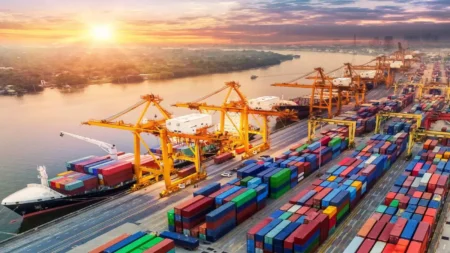
After two decades of negotiation, India and the European Union finalised a historic Free Trade Agreement on 27 January 2026. This landmark accord, described as a monumental deal by PM Narendra Modi, is expected to significantly enhance Indian export sectors, including textiles, gems, jewellery, and leather goods.
The agreement creates a massive trade zone encompassing nearly 2 billion people and representing 25 percent of global GDP. Under the pact, India will gain zero-duty or preferential access for various exports such as chemicals, automobiles, and marine products. In exchange, India will offer concessions on European imports, specifically targeting wines, spirits, and vehicles.
Recent data indicate that the European Union is India’s second-largest trading partner, with bilateral goods trade exceeding €120 billion in 2024. Furthermore, the services sector has seen a 243 percent expansion over the last decade, particularly in telecommunications and professional consulting.
This new framework aims to remove existing trade barriers and bolster mutual resilience against global economic shifts. Beyond commerce, the partnership includes a strategic focus on the energy sector, where India has identified 500 billion dollars in investment opportunities.
SOURCE – TIMES OF INDIA