



India and the EU near a landmark trade deal to cut tariffs, yet climate taxes and service mobility risks remain.
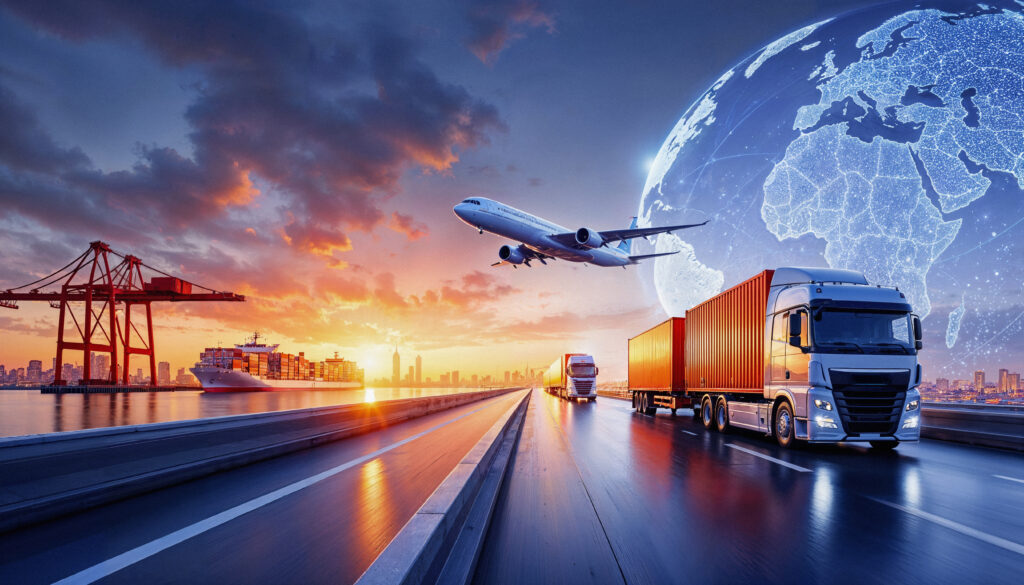
On 19 January 2026, reports confirmed that India and the European Union are nearing the conclusion of a major free trade agreement after nearly two decades of dialogue. This pact, necessitated by a shifting global economic landscape, aims to revitalise commercial ties by streamlining the exchange of goods and services between the two regions.
The agreement is expected to significantly alter the import-export dynamics for several key industries:
1. Labour-intensive sectors such as textiles, apparel, footwear, and leather goods, which currently face EU tariffs of approximately 10 percent, stand to gain zero-duty access. This is particularly vital following the withdrawal of previous trade benefits in 2023.
2. European exporters are seeking reduced barriers for high-value manufactured products, including machinery, chemicals, and transport equipment. Currently, these goods face a weighted average tariff of roughly 9.3 percent when entering the Indian market.
3. To safeguard domestic interests, both parties have agreed to omit sensitive areas, most notably the dairy and agricultural industries, from the immediate liberalisation schedule.
Beyond simple tariff cuts, the deal serves as a strategic buffer against global volatility. By securing stable access to a market of 450 million consumers, Indian producers can reduce their reliance on any single external economy. For the EU, the deal provides essential access to one of the world’s fastest-growing large economies, aiding its broader goal of diversifying international supply chains.
Despite the optimism, the Global Trade Research Initiative identifies two primary challenges that could restrict the flow of goods:
- Environmental Levies: The EU’s Carbon Border Adjustment Mechanism may impose new costs on heavy industrial exports like aluminium and steel, potentially offsetting the benefits of tariff removal.
- Regulatory Standards: Stringent European safety norms and pharmaceutical approval processes remain significant non-tariff barriers that Indian exporters must navigate to achieve projected growth.
With bilateral trade already surpassing $190 billion, the finalisation of this agreement on 27 January 2026 would establish a more robust framework for future economic cooperation.
SOURCE – THE ET