


As India’s logistics reforms mature, this feature brings together policymakers and industry leaders to define what 2026 demands: sharper execution, lower costs, integrated digital platforms, resilient supply chains, and coordinated action that converts policy intent into sustained logistics competitiveness.
As India moves from policy intent to logistics execution, the sector finds itself at a defining moment where ambition meets on-ground reality. Landmark reforms under the National Logistics Policy, PM Gati Shakti, and rapid digitalisation are reshaping infrastructure, connectivity, and trade efficiency, even as challenges around cost, coordination, and integration continue to influence daily operations. Against this evolving backdrop, this feature brings together sector-wise perspectives from industry veterans and policymakers, presenting their responses on what will truly shape India’s logistics blueprint and its journey towards becoming a global powerhouse by 2026.
Where execution still falters
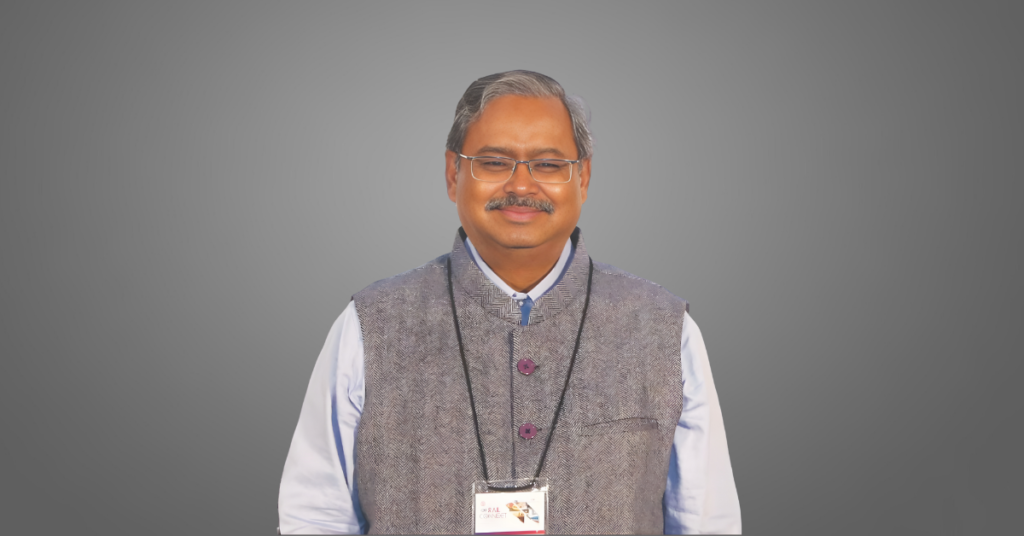
Building on the larger policy-to-performance narrative, N. Sivasailam, Former Special Secretary (logistics), Ministry of Commerce & Industry, brings the conversation squarely to the ground, where, in his view, well-intended reforms often lose momentum.
For Sivasailam, the biggest obstacle to meeting the National Logistics Policy’s cost-reduction target is not a single bottleneck but a cluster of operational inefficiencies that continue to inflate costs. Ports, he says, remain a major pressure point. He flags “abnormally high port charges,” concessions that “do not flow to exporters or importers,” and a growing list of “invisible charges levied by shipping lines.” These issues are compounded by long truck waiting times, reluctance to mainstream Direct Port Delivery, and port facilities that are “not commensurate with facilities in a developed country.”
At this stage, Sivasailam believes the policy conversation itself needs recalibration. “We have come to a stage when Ease of doing business has to dovetail with the cost of doing business,” he says, stressing that the two can no longer be viewed in isolation. In his view, simplification should not quietly add to the cost burden. A key corrective, he argues, lies in getting all EXIM transactions onto “a single logistics portal supported by blockchain,” which could bring much-needed transparency and discipline to trade processes. He also points to container availability as a practical intervention, suggesting that a public platform could “eliminate or minimise the rents on container booking,” delivering immediate savings to EXIM trade with long-term, sustained impact.
On incentivising private investment in Multimodal Logistics Parks, Sivasailam is clear that scale and design matter more than isolated projects. “MMLPs do not operate in isolation,” he notes, explaining that while individual parks may create local impact, they rarely generate systemic change. Real value, according to him, comes from a network of MMLPs, where sourcing, production, and logistics processes reinforce each other. To build this network, he advocates a “big bang approach” to tendering, rolling out multiple MMLPs together rather than in ones and twos. Tendering “at least 20 road-anchored MMLPs at a time,” he believes, would attract a wider and more differentiated set of private players, lower participation risk, discourage monopolies, and encourage cooperation across the ecosystem.
He is even more emphatic about rail-anchored MMLPs. “Just imagine the economic activity if 500 rail-anchored MMLPs were to come up each year for the next five years,” Sivasailam says, underlining that it is the network effect, not individual facilities, that enables a true logistics ecosystem to emerge.
Looking ahead, Sivasailam identifies the National Logistics Portal as the most critical next policy step. Calling it “to EXIM trade what UPI is to payments,” he expresses concern that its impact so far has been limited. In his view, a mission-mode push could make the portal truly effective within two to three years—especially if extended beyond EXIM into domestic trade. Such an expansion, he notes, could be transformative for agriculture, where standardisation through grading would “unleash the possibility of trade.”
On shipping, while welcoming the policy intent behind building Indian shipping capacity, Sivasailam offers a note of caution. “Merely focusing incentives on shipbuilding may be insufficient,” he says, warning that without some assurance of market access, Indian shipping remains vulnerable to “predatory pricing by major shipping lines.” His suggestion is pragmatic: allocating a share of container cargo from Indian ports to select transshipment destinations at fixed rates could encourage investment, strengthen Indian shipping, and ensure more realistic freight outcomes for Indian trade.
Taken together, Sivasailam’s views reinforce a recurring theme of India’s logistics blueprint: policy direction is in place, but only scale, integration, and execution will determine whether ambition translates into lasting competitiveness by 2026.
Only scale, integration, and execution will convert logistics policy into competitivenes
Streamlining customs & trade facilitation
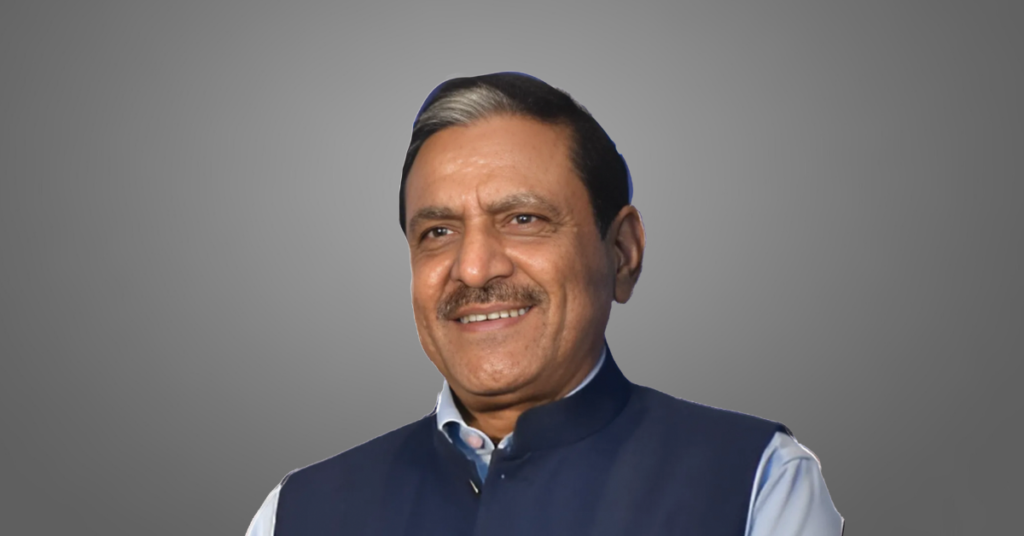
Pramod Kumar Agrawal IRS(R), Principal Chief Commissioner (Retd), Customs & Central GST, highlights that “real-time Customs clearance is now achievable through AI/ML-driven risk management, expanded pre-arrival processing, and a strengthened National AEO Programme with full PGA participation.” He notes that platforms like ULIP, Faceless Assessment, OCR-enabled e-Sanchit, SWIFT 2.0, and API-based data exchange enable “near-instant, data-driven decisions,” while automation must extend from vessel entry to final gate clearance. Agrawal adds that “high-capacity scanners integrated with AI-driven image analysis will minimise human intervention, ensuring robust checks and balances remain intact.”
On reducing compliance costs, he stresses harmonisation of e-Way Bill and e-Invoice systems: “Taxpayers who issue e-invoices may be exempted from e-Way Bills, and threshold-based exemptions with auto-population of Part-B can ease paperwork for low-value or short-distance consignments.” Agrawal points out that Input Tax Credit should not be denied due to supplier default, as it “creates double jeopardy for bona fide buyers,” and calls for revisiting the 180-day vendor payment condition to align GST compliance with commercial realities.
On leveraging data analytics, he explains that Indian Customs can “create 360-degree risk profiles using integrated data from ICEGATE, ADVAIT, GSTN, DGFT, ULIP, and e-Way Bills,” enabling precise targeting of high-risk consignments while giving compliant traders instant green-channel clearance. He adds that predictive analytics and an enhanced AEO programme will “fortify border security, improve supply chain resilience, and ensure smooth, predictable movement of legitimate trade.”
Agrawal concludes that combining digitisation, risk-based inspections, harmonised compliance, and advanced analytics will “create a resilient, technology-enabled customs ecosystem that accelerates clearance, enhances security, and aligns with the pace of modern logistics chains.”
AI-led, risk-based customs will define fast, predictable trade in 2026