





The rupee faces 2026 on a weak footing after its sharpest yearly fall in three years, pressured by sustained outflows.
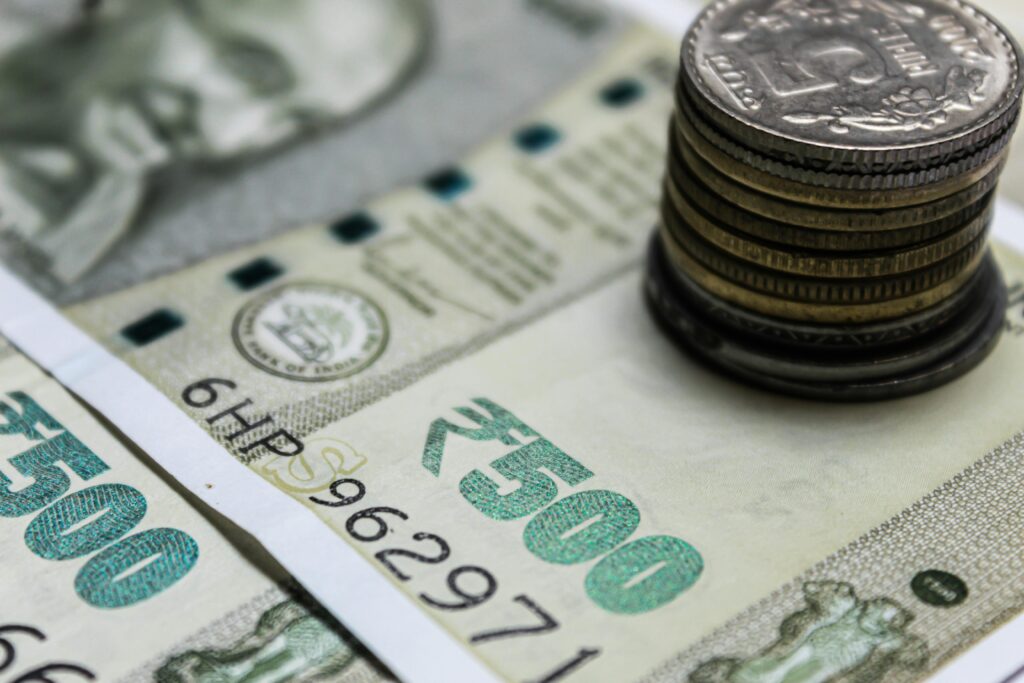
The Indian rupee has commenced 2026 in a vulnerable position following its most significant annual depreciation in three years. On 31 December 2025, the currency concluded the year at 89.85 against the US dollar, marking a total decline of 7.2 percent over the preceding twelve months. This performance represents the sharpest yearly downturn recorded since 2022.
The sustained pressure on the currency throughout 2025 was primarily driven by a robust US dollar and a consistent withdrawal of capital by foreign investors from the domestic equity market. Throughout the latter half of the year, the rupee remained under considerable strain, frequently testing new lows.
Market observers noted that the Reserve Bank of India engaged in regular interventions to manage volatility and prevent a disorderly decline. Despite these efforts and the maintenance of substantial foreign exchange reserves, the currency eventually breached the psychological threshold of 89 in late December.
Financial analysts attribute the weakness to a combination of high interest rates in the United States and a widening domestic trade deficit. The outlook for 2026 remains cautious, with the trajectory of the currency likely to be dictated by global oil prices and the economic stability of major trading partners.
Currently, technical indicators suggest the rupee may continue to consolidate near the 90-per-dollar level. Traders expect the currency to remain on the defensive during the initial months of the new year as markets monitor the pace of foreign fund flows and shifts in international monetary policy.
SOURCE – REUTERS