



Indian steel firms face a 22% price drop as the EU’s new carbon tax takes effect on 1 January, hitting export margins.
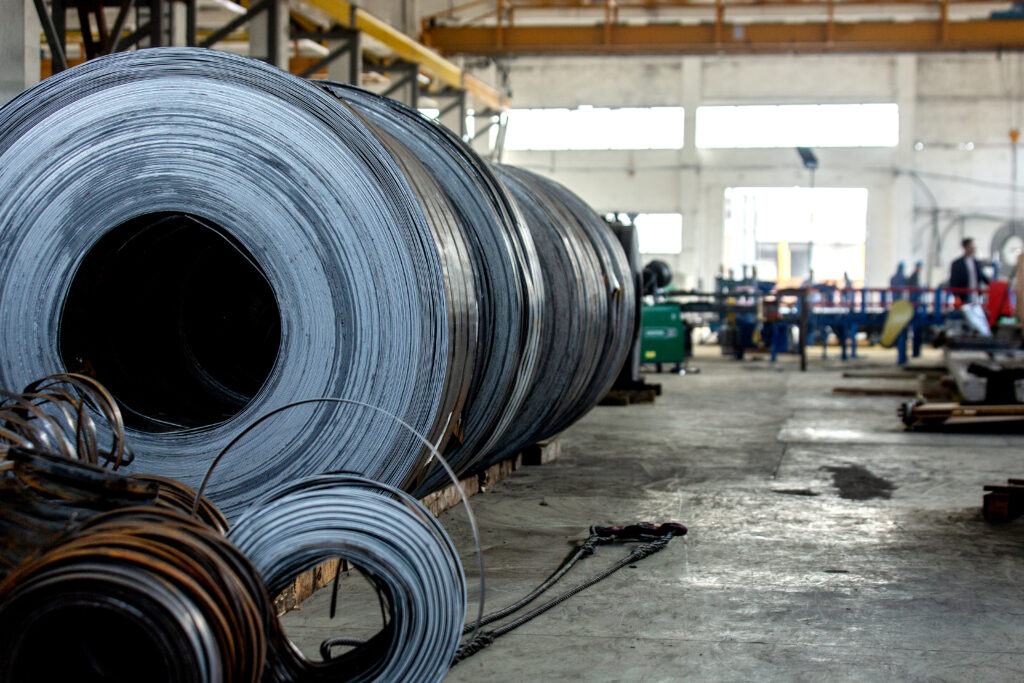
Indian exporters of steel and aluminium are bracing for a period of intense financial pressure within the European market. According to a recent analysis by the Global Trade Research Initiative (GTRI), domestic firms may be forced to lower their export prices by 15 percent to 22 percent starting from 01 January 2026. This shift coincides with the transition of the European Union’s Carbon Border Adjustment Mechanism (CBAM) from a purely administrative reporting phase to a mandatory payment-linked commercial framework.
Under these new regulations, every shipment of steel or aluminium entering the European Union will be subject to a carbon cost. While the legal obligation to purchase carbon certificates rests with European-based importers, the GTRI report suggests that this financial burden will be transferred to Indian suppliers. Importers are expected to demand lower base prices to offset the additional costs of these carbon certificates, effectively squeezing the profit margins of Indian producers.
Although the formal surrender of these certificates is not scheduled until 2027, procurement strategies in Europe are expected to change immediately. From 01 January 2026, buyers will begin assessing imports based on their total “carbon-inclusive” cost. If Indian products become less competitive than European or other international alternatives after accounting for carbon levies, exporters may face contract terminations or be replaced by suppliers with lower carbon footprints.
The report highlights that carbon intensity will now join cost efficiency as a primary determinant of global trade competitiveness. To navigate this, the GTRI recommends that Indian firms adopt an internal “shadow price” for carbon, allowing them to factor emissions into their initial quotes. Failing to account for these costs risks exclusion from European procurement cycles.
The transition is expected to be particularly difficult for medium-sized and smaller enterprises, which may struggle with the high costs associated with emissions verification and compliance. However, the report also notes a potential opportunity: manufacturers who successfully transition to low-emission production methods could gain a significant advantage, eventually becoming more cost-effective than their high-polluting rivals once carbon costs are applied.
To maintain market access in the new year, Indian businesses must standardise their emissions data, secure independent verification, and include protective clauses in their international contracts to manage the volatility of European carbon pricing.
SOURCE – ANI