


The logistics and supply chain industry is evolving at a breathtaking pace. As we step into 2026, the ripples of change set in motion during 2025 are becoming waves, shaping how goods are stored, moved, and delivered across the globe.

Real-time IoT data is a game changer
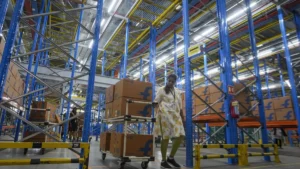
Warehouse automation is no longer optional; it is becoming the backbone of modern fulfilment. In 2025, the global warehouse-automation market was estimated at over USD 33.06 billion, with expectations to nearly triple over the next decade. Technologies such as autonomous mobile robots (AMRs), AI-powered picking systems, and smart inventory-management tools are redefining speed, efficiency, and reliability.
At the same time, advanced analytics and artificial intelligence are taking root across supply-chain operations, transforming demand forecasting, inventory planning, and exception management into data-driven, predictive workflows. Digital platforms, control towers, and emerging “digital twin” solutions are now empowering logistics leaders with real-time visibility and foresight. The result: faster decision-making, leaner operations, reduced waste, and improved responsiveness amid volatile global trade dynamics.
However, beneath all the optimism lie hard questions: How many fulfilment centres remain dependent on manual processes? What integration challenges persist when legacy systems meet cutting-edge tech? How do we balance labour realities with automation aspirations? As the industry invests in resilience, capacity, and agility, not all that glitters is plug-and-play.
In this special “Industry in Motion” feature, we explore how every vertical, from warehousing and supply-chain platforms to shipping, multimodal logistics, EXIM, and sector-specific supply chains such as pharmaceuticals, FMCG, food, automotive, and electronics, is adapting. We chart what worked in 2025, what obstacles remain, and which breakthroughs may define the next wave. Through conversations with industry leaders, expert analysis, and on-the-ground data, we bring you a panoramic view of transformation, and in the pages that follow, we will present curated insights from the people shaping this change.
Specialised shipping in transition
In the evolving landscape of project and heavy-lift logistics, few voices capture the pulse of change as clearly as Supal Shah, CEO, Sarjak Container Lines. His reflections mirror an industry standing at the intersection of rising environmental expectations, tightening global regulations, and the growing need for real-world operational resilience. “For specialised carriers, decarbonisation is no longer a distant ambition; it’s becoming an operational reality,” he notes, setting the tone for a transition that demands both strategy and pragmatism.
Decarbonisation: A practical path forward
Shah explains that the most workable solutions today are rooted in immediate operational improvements rather than futuristic fuels. “Slow steaming, higher operational efficiency, and VLSFO with carbon offsets are our most practical tools,” he says. While dual-fuel vessels capable of running on LNG or methanol represent a forward-leaning investment, commercial realities persist. “Green methanol and ammonia are still not available at scale for specialized tonnage. LNG, for now, is the most viable bridge fuel.”
But this green shift comes with cost implications. “Alternative fuels will raise chartering costs by 20–30 percent over traditional HFO/VLSFO,” Shah explains, attributing the increase to fuel pricing, infrastructure needs, and specialized handling. Though more clients are willing to pay a “green premium,” the financial load still lies largely with shipowners until regulations such as FuelEU Maritime and CII create global parity.
Building a resilient project logistics backbone
Discussing India’s EXIM ecosystem, Shah points to deep-rooted structural challenges that continue to delay large-scale projects. “We need dedicated project cargo corridors with pre-cleared customs green channels,” he emphasises. The industry also needs multimodal freight stations located closer to ports and consistent ODC movement regulations across states.
“The current bottleneck of police escorts, varying permits, and last-mile restrictions easily adds 15–30 days to project timelines,” he says. A national single-window digital platform, “something like Sagarmala on steroids,” integrating road, rail, coastal shipping, and inland waterways could reduce transit time by nearly 40% and significantly improve predictability for sectors such as wind energy, power, and infrastructure.
Closing the interoperability gap
Despite rapid digitalisation, Shah notes a glaring technology gap. “True interoperability between port TOS, CFS systems, transport ERPs, and shipping line platforms is still missing,” he explains. Critical handovers continue to rely on manual touches, creating fragmentation in visibility. What the sector needs, he asserts, is “an API-first national logistics layer” allowing terminals, transporters, and carriers to exchange standardised data sets in real time. Without this, seamless multimodal movement will remain aspirational.
Port modernisation: Speed, security, smarter movement
India’s ports, Shah acknowledges, are making meaningful progress. “Automation of yard planning, RFID/EIR digitisation, and AI-driven berth scheduling are transforming operations,” he says. The introduction of digital gate systems and automated weighbridge integration is reducing human interfaces, improving security, and cutting truck turnaround times by 20–25 percent at leading terminals. These changes signal a shift toward more predictable and secure cargo environments.
The power of predictive intelligence
For specialized equipment and containers, the cost of repositioning remains one of the most stubborn operational burdens. Shah highlights the role of technology in addressing this. “Real-time IoT data combined with AI-driven forecasting is a game changer,” he explains. By analysing historical patterns and market shifts, AI can suggest optimal repositioning flows, identify backhaul opportunities, and significantly reduce empty container mileage. “This is how we maximise asset utilisation and bring down the cost of one-way movements.