

India’s largest carrier cancelled hundreds of flights. The crisis highlights the dangers of running vast networks with minimal operational buffers.
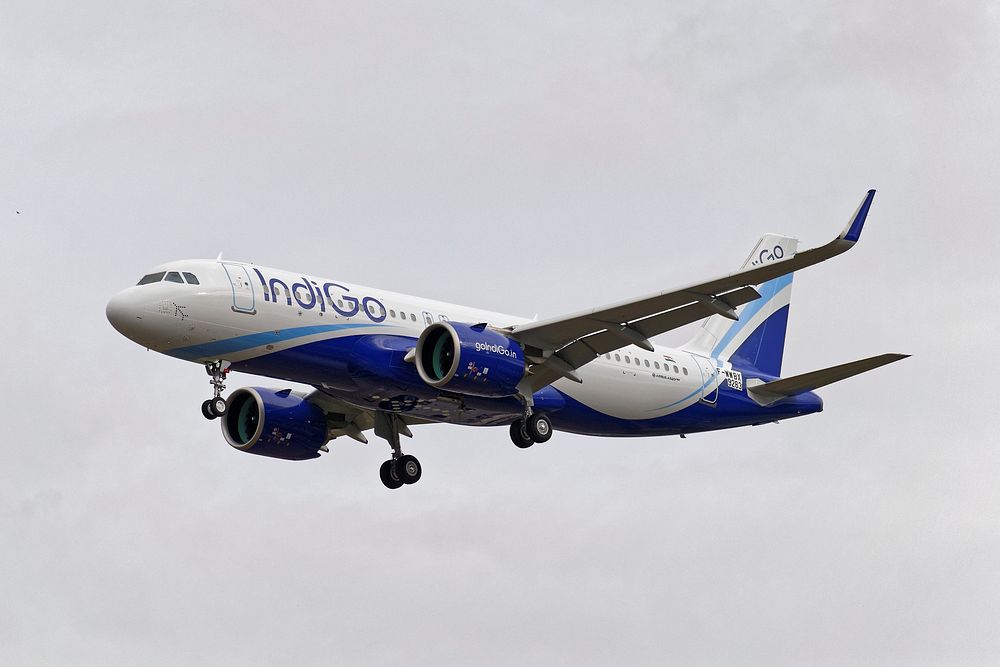
The recent operational catastrophe at IndiGo, India’s pre-eminent low-cost carrier, serves as a stark warning to the global aviation industry. What began as a series of flight delays quickly escalated into a network-wide meltdown, resulting in the cancellation of hundreds of flights over several days and stranding thousands of passengers across the country.
The chaos has been officially attributed to an array of factors, predominantly a severe crew shortage. This shortage was triggered by the recent implementation of stricter Flight Duty Time Limitation (FDTL) norms, which mandate longer rest periods for pilots and limit night-time flying. While these rules are a vital safety measure, IndiGo’s vast scheduling system, already strained by winter traffic, airport congestion, and minor technical glitches, proved fundamentally unprepared to absorb the change.
Economic fallout: Soaring fares and supply chain risk
The instantaneous result of the capacity crunch was a drastic spike in flight ticket prices across competitor airlines. With thousands of passengers scrambling for alternative transport, simple demand-and-supply dynamics drove fares on major routes such as Delhi-Mumbai and Delhi-Bengaluru to unprecedented levels, with some tickets exceeding ₹80,000 one-way. This surge quickly prompted the Ministry of Civil Aviation (MoCA) to intervene, announcing the temporary imposition of fare caps to prevent opportunistic pricing and exploitation of stranded travellers.
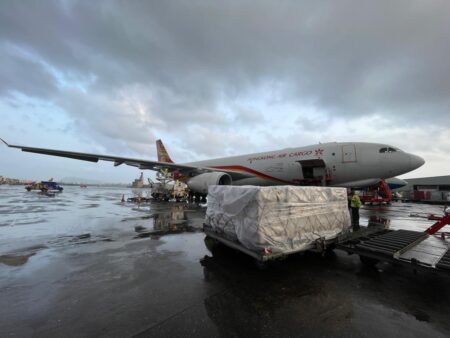
While the immediate impact on time-sensitive logistics and cargo flows was reportedly contained due to the use of diversified freight forwarders, the crisis highlighted a critical vulnerability. Domestic express cargo and perishable goods rely heavily on the belly-hold capacity of passenger aircraft like those operated by IndiGo. A prolonged operational disruption could severely impede the movement of goods, underscoring that the stability of the logistics chain is intrinsically tied to the operational health of the dominant passenger carriers.
While the airline scrambles to stabilise operations, offering refunds and alternative travel, the fallout is clear: a system engineered for maximum throughput without adequate resilience will inevitably break under pressure. The true cost of this crisis is a lesson in sustainable operations: to succeed at scale, a system must prioritise balance and resilience over sheer volume.
The Problem of System Imbalance
Crucially, the scale of the disruption has exposed the inherent fragility of a business model built on relentless cost optimisation and operating with minimal operational buffers. The carrier was forced to admit to “misjudgment and planning gaps” in adapting to the new FDTL rules, which they had been given significant time to prepare for. Its network, which relies on tight turnarounds and high crew utilisation, had no redundancy built in to handle unexpected stress.
The principle that “Balanced Systems Beat System Overload” is powerfully validated by this event. IndiGo’s crisis is a textbook example of systemic imbalance, where efficiency was pursued to the point of brittleness. When a necessary external change, such as the new FDTL rules, combined with technical failures and poor weather, hit the system, the lack of a proper buffer caused a cascading failure that collapsed the entire schedule.
While the airline scrambles to stabilise operations, offering refunds and alternative travel, the fallout is clear: a system engineered for maximum throughput without adequate resilience will inevitably break under pressure. The true cost of this crisis is a lesson in sustainable operations: to succeed at scale, a system must prioritise balance and resilience over sheer volume.
SOURCE – ET, TOI, HINDUSTAN TIMES AND INDEPENDENT RESEARCH
(or Multiple relevant sources plus independent research)