

A 40-member delegation from the European Union is set to arrive in Delhi on December 4, 2025, starting an intensive phase of free trade agreement negotiations.
Forty negotiators representing the European Union are scheduled to arrive in New Delhi on December 4, 2025. This arrival signals the start of the most demanding phase of negotiations for the India-EU free trade agreement (FTA), with an initial goal of finalising the pact before the close of the current year. Talks concerning the India-EU FTA were formally resumed in 2022.
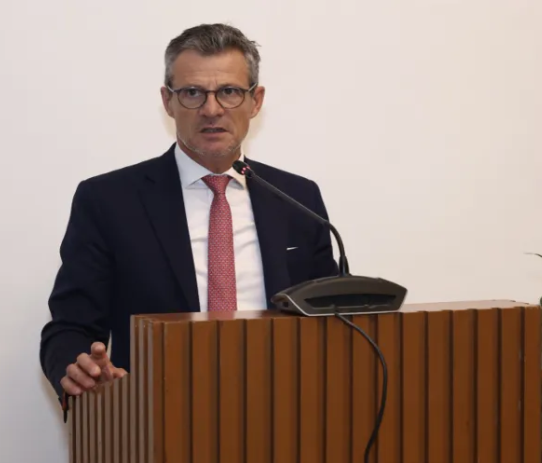
Speaking at India’s World Annual Conclave 2025, EU Ambassador Herve Delphin characterised the current discussions as fundamentally new, labelling them the “EU-India FTA negotiation 2.0.” Ambassador Delphin advised against analysing these talks using historical perspectives, stressing that they are neither identical to nor a mere continuation of the negotiations held a decade earlier. He further highlighted that the current phase is underpinned by an “increasing awareness of shared needs and mutual support,” a sentiment previously articulated by leaders from both the EU and India during a visit by the European Commission earlier this year.
Delphin attributed the accelerated pace of the process to elevated global trade tensions, which have underscored the imperative for a predictable and regulated global trade structure. He elaborated that the palpable urgency stems directly from current “tariff wars and offensives,” suggesting the agreement holds a significance transcending mere commercial transactions. Highlighting the combined economic power of the partners, he pointed out that their shared contribution of 25 percent to both global GDP and the world population makes the successful creation of an FTA a moment of genuine “impact and difference.” The Ambassador asserted that the pact would serve to “mitigate risks” for both the EU and India within the current volatile global economic landscape. He referenced the EU’s consistent history of free trade agreements, stating these have invariably led to “mutually beneficial” outcomes, expanded trade, increased employment, and greater investment, dispelling any notion of a zero-sum game.
Delphin confirmed the existence of “robust political dedication” to finalise the agreement before the close of the year. He mentioned that the conventional method of discrete, formal negotiation rounds has been abandoned in favour of a “continuous negotiation phase.” This shift is evidenced by the imminent arrival of approximately forty skilled European negotiators in Delhi. The EU envoy detailed the upcoming schedule, noting that the negotiating team will first hold discussions with Commerce Secretary Agrawal. Later, over the weekend, Maros Sefcovic, the Commissioner for Trade and Economic Security, is slated to meet with Commerce Minister Piyush Goyal.
Substantial progress has been registered thus far. In terms of factual milestones, Delphin revealed that 11 of the 23 total chapters have been concluded, with several others close to resolution. Nonetheless, he acknowledged that critical, unresolved differences persist, particularly concerning market entry for the automobile sector, specific regulations governing services and investment, disputes over technical barriers to trade, and matters tied to the Carbon Border Adjustment Mechanism (CBAM). He stressed that these outstanding issues will necessitate further deliberations, extending to the ministerial level. The Ambassador expressed strong optimism regarding the FTA’s prospects, citing both the political will of the leaders and the vigorous advocacy from the business sector. He concluded that this combined pressure leaves the negotiators with the inevitable task of reaching an accord, making the necessary compromises to secure what he anticipates will be “a great deal.”
SOURCE – ANI