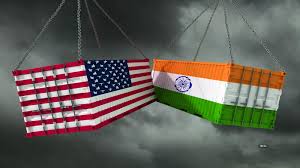





The lawsuit argues that Section 122 of the Trade Act of 1974 was designed to address short-term monetary emergencies and cannot be applied to routine trade deficits.
A group of 24 Democratic-led US states, including New York, California and Oregon, have filed a lawsuit challenging President Donald Trump’s newly imposed 10 per cent global tariffs, arguing they are unlawful and represent an attempt to bypass both Congress and a recent US Supreme Court ruling.
The legal challenge, filed on 5th March 2026 at the US Court of International Trade in New York, follows the Supreme Court’s ruling on 20th February that struck down Trump’s earlier tariffs imposed under the International Emergency Economic Powers Act. Trump responded immediately by invoking Section 122 of the Trade Act of 1974, a provision that has never previously been used, to impose fresh blanket tariffs. US Treasury Secretary Scott Bessent has indicated those rates could rise to 15 per cent imminently.
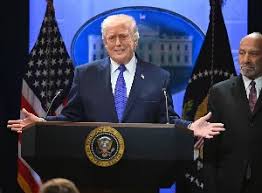
Oregon Attorney General Dan Rayfield called the move an attempted end run around Congress, stating that Trump’s tariff policy is historically unpopular and is costing American businesses and states hundreds of billions of dollars. The White House has said it will vigorously defend the tariffs in court.
For Indian exporters, the developments add further uncertainty to an already volatile trade environment. Key sectors including pharmaceuticals, textiles, engineering goods and electronics, all heavily dependent on the US market, face the prospect of sustained tariff pressure as the legal and political battle in Washington continues to unfold.